Botox for a gummy smile
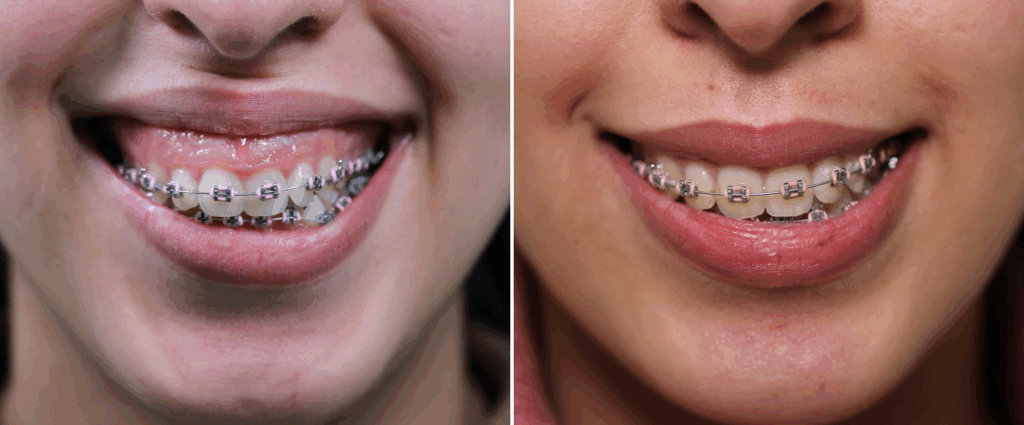
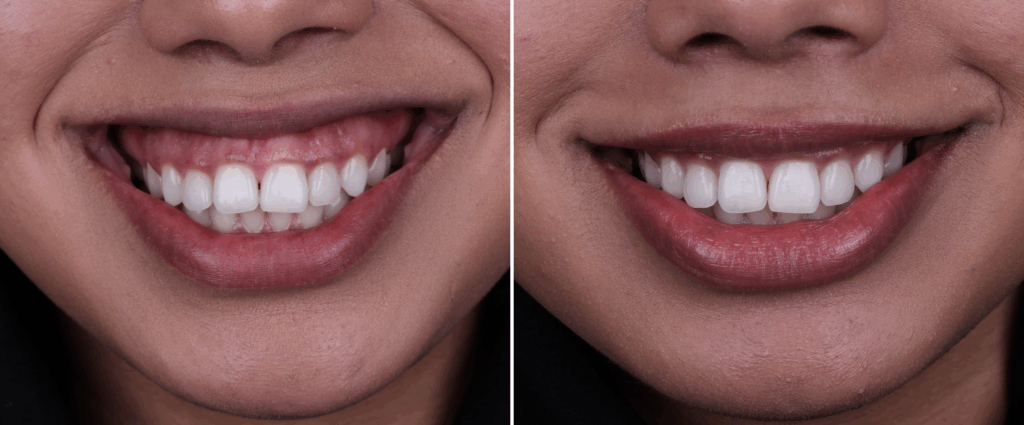
For a high-lifting upper lip. Treatment reduces the upward muscle pull so less gum shows when you smile.
Results generally last 2–4 months.
£279per treatment

Many patients come to Smileworks asking whether their gummy smile can be fixed. And like 99% of things at our practice the answer is yes it can! There are so many different ways to correct a gummy smile and it’s actually a much bigger cause of anxiety and self consciousness in patients than many people think. So you are not alone and we understand what you might be feeling.
Patients say they have big gums, their teeth are too short or they have gummy teeth. It’s also something that many patients think is difficult to fix or expensive. Both of these are wrong. There are many different ways of treating excessive gingival display (that’s what we call it) so stop worrying and come and see the professionals and get the smile you deserve.
Ready to find out what could work for your smile?
Compare the options for your lips, gums and teeth.
For a high-lifting upper lip. Treatment reduces the upward muscle pull so less gum shows when you smile.
Results generally last 2–4 months.
Individual quote
Reshape the gum line to reveal more tooth. Your dentist prices the treatment after assessing the gum and supporting bone.
From £3,300
Fixed braces from £3,300 · Spark aligners from £4,000 · Invisalign from £4,800. A plan for gummy smile correction, including any TADs, is quoted after assessment.
£200–£300 per tooth
£200 with a dental therapist or £300 with a restorative dentist, to build up worn or small teeth.
From £300 per tooth
Composite veneers from £300 per tooth · porcelain veneers from £850 per tooth.
£360–£450 for 1ml
£360 with an associate or £450 with Dr MJ. An option for selected mild cases where you would also like fuller lips.
Specialist quote
Jaw surgery and lip repositioning surgery require specialist assessment. The treating specialist provides the plan and price.
Consultations: injectables with Dr MJ £75, charged separately and not deducted from treatment; general dental or braces consultation £90.
Your treatment plan confirms the options, costs and any combination of treatments for your smile.
Treatment can change the movement of your upper lip, reshape the gum line or improve the position and proportions of your teeth. The best approach depends on the cause of your gummy smile.
Open an option below to see how it works.
Muscle-relaxing treatment reduces the upward pull of the upper lip, so less gum shows when you smile. MJ assesses the movement of your smile and uses ultrasound to help plan treatment. Treatment for lip movement costs £279; the effect generally lasts 2–4 months.
Gum contouring reshapes the gum line to reveal more of the tooth. Dr JK assesses the tooth proportions and the bone beneath the gum. Crown lengthening may involve reshaping bone as well as gum. You receive a price for your individual treatment plan.
Orthodontic treatment can move teeth upwards when their position contributes to gum display. Eduardo may use temporary anchorage devices (TADs), small orthodontic screws that provide an anchor for controlled movement. Your orthodontic plan sets out the treatment time and cost.
When the height of the upper jaw is a major cause of gum display, a specialist can assess jaw surgery. Orthognathic surgery repositions the upper jaw and involves a planned course of treatment and recovery.
Lip filler adds fullness and may cover a little more gum in selected mild cases. MJ assesses whether that change suits your lip shape and the result you want. A lip flip changes how the lip border sits and is a separate treatment.
Composite bonding or veneers can build up worn or small teeth to improve their shape and proportions. Your dentist checks whether the teeth are worn, naturally small or partly covered by gum, then explains the suitable options and their costs.
Muscle-relaxing treatment generally lasts 2–4 months in MJ’s practice. Many patients return at around four months. Stronger muscle pull can mean a shorter-lived effect.
As the effect fades, gum display gradually returns. MJ reviews the result and advises when further treatment is suitable.
Gum contouring and orthodontics change the gums or tooth position and can offer a longer-term result when these are the cause of your gummy smile.
Injectable treatment: you may have local tenderness or bruising. Contact your treating clinician if your smile feels restricted or looks uneven.
Gum contouring and crown lengthening: soreness and swelling can occur while the tissues heal. Your dentist explains how to care for the area and what healing time to expect for your procedure.
Orthodontics: expect adjustment periods as the teeth move. Your orthodontist explains the treatment and retention plan.
You receive aftercare advice and guidance on when to expect your result.
“The smile is a universal currency of beauty.”
The goal is to change the part of the smile that bothers you while considering the movement of the whole mouth.
When muscle pull contributes, temporary muscle-relaxing treatment can reduce that upward movement.
The muscles around the mouth work together. The levator labii superioris alaeque nasi, often shortened to LLSAN, helps lift the upper lip. Other muscles contribute to the lift at the sides.
MJ uses ultrasound to map the relevant muscles before treatment. Seeing their position supports her assessment and placement planning. Her dental training also informs how she assesses the relationship between the lips, teeth and gums.
Unwanted spread to neighbouring muscles can still cause an uneven smile, restricted movement or a smile that feels unfamiliar.
“This is one of those treatments we’ve got to get right.”
MJ looks at the proportions of the visible tooth before recommending gum removal.
If teeth look short and wide because gum covers part of their surface, revealing more tooth can improve the proportions. This is where carefully planned gum contouring with Dr JK may help.
The amount of gum removed is planned around your tooth proportions and gum health.
MJ sees contouring as an option for selected cases with short clinical crowns and a limited amount of gum display.

Gum contouring, also called gum recontouring or gum sculpting, reshapes the gum line. You may see it described as a gingival lift or smile lift.
One cause of short-looking teeth is altered passive eruption, where more of the tooth crown remains covered by gum. The dentist must also assess the bone beneath the gum. Other eruption-related findings, including altered active eruption, can affect that plan.
Crown lengthening can involve reshaping bone as well as gum. The amount that can be changed depends on those relationships and the final tooth proportions.
Your dentist explains the surgical plan, healing time and aftercare at your consultation.
Straight teeth can still sit in a position that contributes to gum display. Straightening and changing their vertical position are different treatment goals.
Orthodontic intrusion moves selected teeth upwards within the supporting bone. It may be considered when tooth position, including anterior overeruption, contributes to the smile.
Temporary anchorage devices, or TADs, are small orthodontic screws that provide an anchor for controlled tooth movement. MJ identifies Eduardo as the clinician who carries out this approach at Smileworks.
Your orthodontist explains the expected timescale for moving the teeth into their planned position.
Orthodontic movement can affect the roots of teeth. Anchorage screws can loosen or need replacing. Your orthodontist assesses those risks and explains the treatment and retention plan.
In some people, the upper jaw contributes significantly to the gum display. The clinical term is vertical maxillary excess.
For selected severe skeletal cases, orthognathic surgery can reposition the upper jaw. This requires specialist assessment and a substantial commitment to treatment and recovery.
The specialist assesses your jaw proportions and explains the changes surgery could achieve.
MJ helps you compare the approaches for your smile.
A lip flip acts on the orbicularis oris, the muscle around the mouth. It aims to make more of the upper lip visible.
That is different from addressing the muscles that lift the upper lip when you smile. MJ generally does not use a lip flip as her gummy smile treatment.
MJ sometimes considers lip filler for a mild gummy smile when a fuller lip would be appropriate. The extra fullness may cover a little more gum.
MJ considers the fullness you want and how it would balance with your smile.
Filler risks include swelling and bruising, as well as potentially serious complications if blood flow is blocked.
There are two parts to the assessment: what causes the gum display and where it appears across your smile.
MJ distinguishes three patterns:
MJ uses these patterns alongside an assessment of your lips, gums, teeth and jaw.
MJ considers how the upper lip moves and how that movement works with the muscles lifting the corners of your mouth. A hypermobile lip, which moves further upwards, is different from a short upper lip. Short teeth are also different from teeth that look short because gum covers them.
That distinction explains why two people with similar photographs may need different advice.
MJ discusses the options for your case and makes the decision with you. You can explain what bothers you, ask questions and consider what you would or would not want to change.
Her dental and aesthetic background matters here. The decision may involve muscle movement, gum treatment with JK or orthodontic planning with Eduardo.
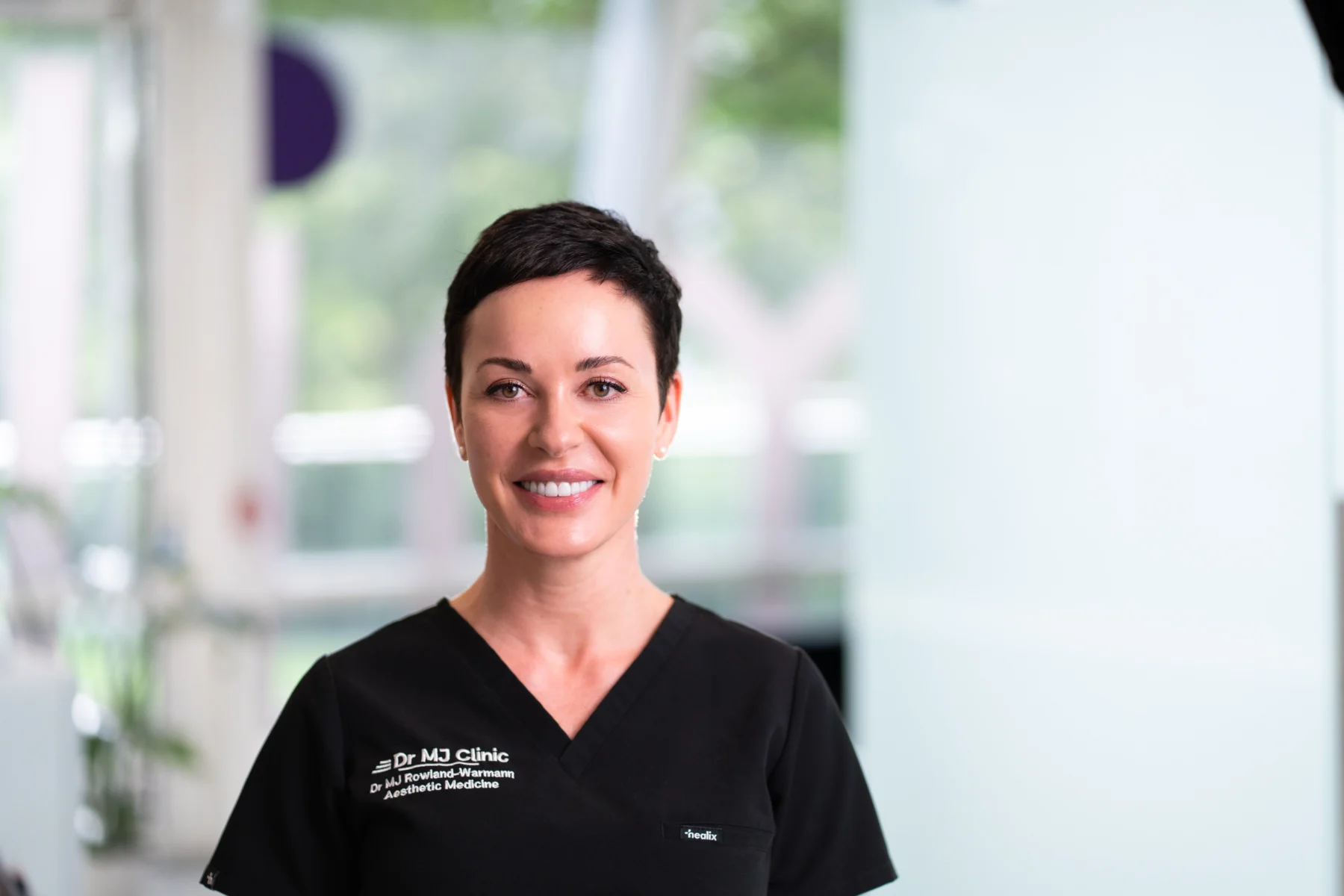
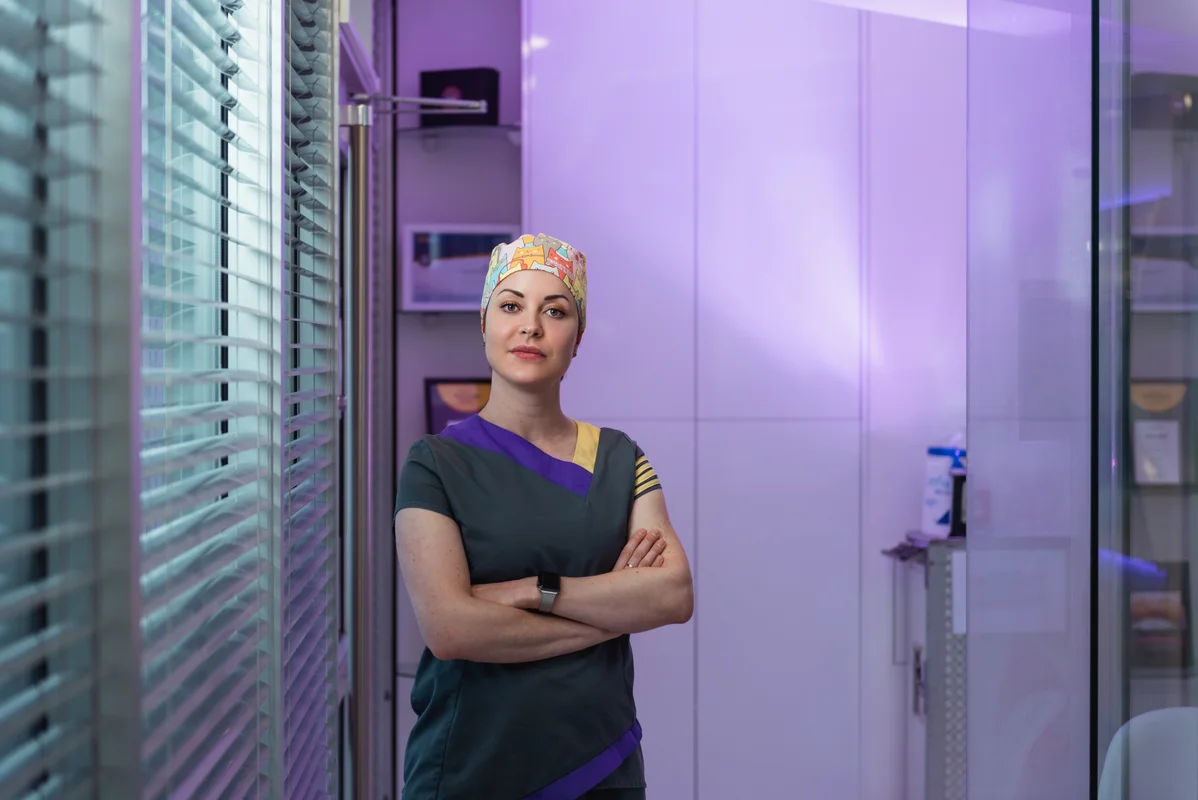
Dr MJ Rowland-Warmann co-founded Smileworks. She qualified as a dentist and holds a master’s degree in aesthetic medicine with distinction. Her postgraduate training also includes orthodontics.
“She is precise and offers advice even when this is to opt for a treatment she does not offer to get the best outcome.”
Fiona · 2026
Similar-looking smiles can need very different treatment. As an aesthetic dentist, MJ considers your lips, gums, teeth and jaw together, then explains which approach fits the cause.
MJ distinguishes a lip that moves further upwards from a short upper lip, and short teeth from teeth partly covered by gum. That distinction helps explain why patients with similar photographs may need different advice.
Your recommendation may involve a different dental or surgical approach. The assessment comes before the choice of treatment.
MJ founded Smileworks HUB to teach medical professionals facial aesthetics, ultrasound and complication management. Her teaching and speaking work includes Clarius, GE HealthCare and Galderma.
Her experience also includes trainer and vigilance-team work with Sinclair Pharmaceuticals and facial ultrasound teaching through CMAC.
She holds a master’s degree in Aesthetic Medicine with Distinction from Queen Mary University of London and a postgraduate qualification in Medical Education. GDC registration: 178642.
BBC Radio 4 has featured MJ’s complications clinic in its investigation into unsafe cosmetic practice. GLAMOUR has sought her advice on skin health, and Aesthetic Medicine has featured her teaching on ultrasound and injectable treatments.
That same clarity belongs in your consultation. You should understand the recommendation, its limitations and the alternatives before deciding.
In MJ’s clinical opinion, you cannot train away a gummy smile. Holding your lip differently for a photograph is not the same as changing your natural smile when you laugh.
You shouldn’t have to think about hiding your gums every time you’re happy.
Not automatically. Composite bonding, composite veneers or porcelain veneers can change the shape of worn or small teeth. They do not directly change how far your lip lifts.
A short-looking tooth needs assessment first. It may be small, worn or partly covered by gum. Those findings lead to different plans.
No. Lip repositioning is a surgical procedure. A lip flip changes muscle activity around the lip border. They are separate options with different assessments and recovery.
MJ measures gum display alongside lip movement and tooth proportions, then discusses the result you would like to achieve.
If your gums are swollen or bleeding, that is a separate reason for a dental assessment rather than choosing cosmetic treatment.
“I am so happy 😁”
“She’s an artist!”
“MJ is amazing 💋”
“It’s completely restored my confidence in myself and my smile.”
Faye had gum contouring and composite bonding with Dr JK after a consultation with MJ. Her review describes the combined treatment. The wider review wall features patients’ experiences with our clinicians across different treatments.
“She’s an artist!”
“MJ is amazing 💋”
“naturally beautiful.”
“blown away”
“Five star experience”
“fantastic!”
“I’m honestly obsessed with the results already!”
“she’s fabulous 😊”
“100 stars”
“incredible work.”
“My teeth look so natural and exactly how I wanted them.”
“Very caring.”
“smooth and painless.”
“Amazing results”
“exceptional.”
“Am thrilled!!!”
“Just simply amazing!!!”
“Book with confidence!”
“fab and friendly”
“so professional”
“amazing Job”
“Can’t rate highly enough.”
“gorgeous lady”
“It’s completely restored my confidence in myself and my smile.”
“Thank you MJ 😊 xx”
“very gentle”
“professional, knowledgeable,”
“feel amazing”
“lovely professional lady”
“Thank you so much! 😘😘💕”
“you’re the best.”
“I honestly couldn’t recommend JK and Sav enough 🥰”
“expert knowledge”
“friendly and welcoming.”
“such a good job!”
“top class.”
“outstanding.”
“so safe”
Tell us what you would like to change about your smile. Our team can help you choose the right consultation.
Smileworks Liverpool, 1a Kenyons Steps, Liverpool L1 3DF.