
Smileworks Liverpool · Dentures with Dr JK
Dentures Liverpool
Getting new dentures starts with someone you can trust
Getting dentures is a big decision. You want teeth that look right, fit carefully and help you feel comfortable eating, talking and smiling again. You also want to know that the people making them will listen and take the time to get the details right.
Denture consultation: £90 · Call 0151 236 5166
“Exceptional”Polly · 2026
“wonderful”Susan · 2022
“Superb”Steve · 2026
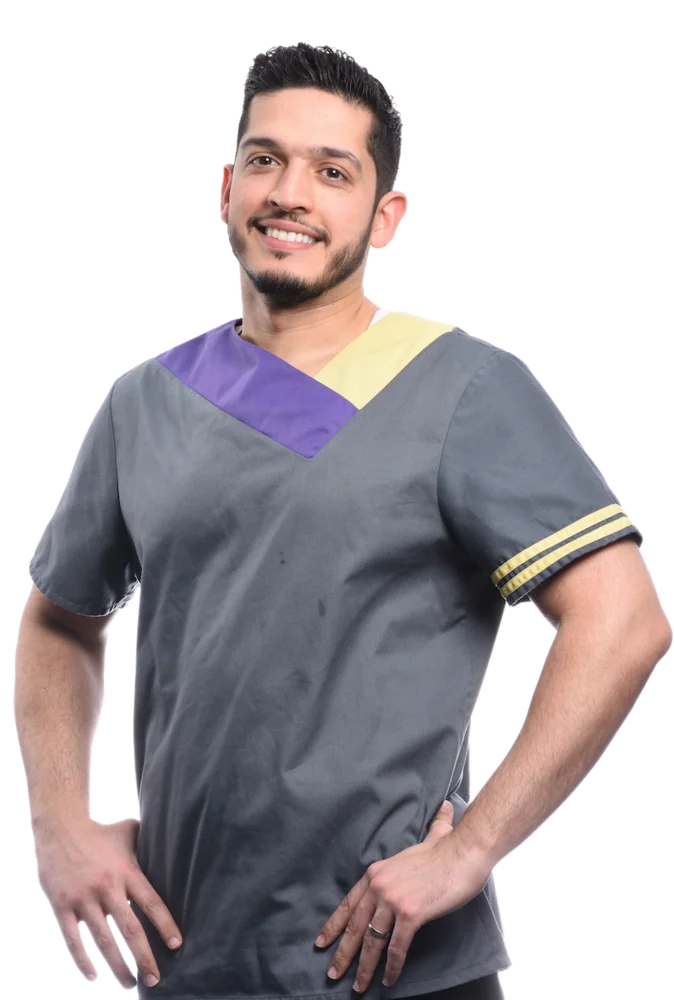
At Smileworks Liverpool, Dr Jihad Kader, known as JK, will help you understand your options and plan your new dentures. He’s our Clinical Lead and an experienced restorative dentist whose work includes rebuilding whole smiles. He considers how your teeth look, how your bite works and how everything feels together.
Whether you’re getting your first dentures, replacing a few missing teeth or struggling with an old set, come as you are. We’ll take care of you.
The aim is to help you stop thinking about your teeth all the time. To join in the photograph. Enjoy a meal with friends. Laugh without putting your hand over your mouth.
We’ll start with a conversation about what you need.
“i have felt in safe hands through a long and sometimes arduous set of treatments entirely thanks to him.”
Robert · 2025
Dentures made with care, by people who understand teeth
Making good dentures takes careful clinical work and skilled laboratory work. The material matters, but so do the measurements, the position of each tooth and the way your upper and lower teeth meet.
JK looks at your remaining teeth, gums and the support available for your dentures. He discusses the appearance you want and plans how to achieve it. Your dentures need to suit your face and work in your mouth.
That care continues after fitting. New dentures can need adjustments as you get used to them. We want you to tell us if something rubs, moves or doesn’t feel right.
You should understand what’s happening, what comes next and who to contact when you need help.
Meet JK, your denture dentist
Dr Jihad Kader is Smileworks’ Head of Implantology and Clinical Lead. He holds a Diploma in Restorative Dentistry from the Royal College of Surgeons of England and a Master’s degree in Oral Implantology. His further training includes prosthodontics, the restoration and replacement of teeth, and full-mouth rehabilitation.
He also teaches and mentors other dentists in implant and restorative dentistry.
For you, that means a dentist who understands the different ways of replacing missing teeth. He can explain whether a removable denture, a bridge or implant treatment makes sense for your mouth. He’ll also check whether teeth you’re worried about can be saved.
You don’t need to decide which treatment you want before meeting him. His job is to help you make that decision.
“Jihad took his time, was very gentle, thorough and careful, and was clear in his aftercare instructions.”
Fatma · 2023
What our patients say
Reviews pause on hover or focus. Press Space or Enter to pause or resume.
I honestly couldn’t recommend JK and Sav enough 🥰
Paulawow, just wow
AmandaExceptional
PollyWas a breeze from start to end.
DannyHighly recommend 😁
SteveJK is simply wonderful.
Susanincredibly skilled
Carlit was a pleasure to come here 😊
Thomasi have felt in safe hands
Robertthe care I have received has been exceptional.
JodieThe treatment was painless, despite it being fairly complicated
PaulThis is the best dentist ever!
SylviaThey made sure I was comfortable every step of the way
Carlcan’t recommend them enough 😁
JayneEverything was perfect from start to finish.
Lauravery gentle, thorough and careful
FatmaI was kept informed all along the way.
KirstenSuperb work
SteveJK, Helen, and Marnie put me at ease straight away.
TomProfessional, kind and clear.
EmanueleReally happy I picked here
DannyI feel confident in smiling again
Kawinnaso much care and attention to detail
Suereally kind and patient
LauraI felt comfortable
Thomas
Nervous about getting dentures? Come as you are.
You might feel embarrassed about your teeth. You might have had a difficult experience with a dentist or spent years putting off an appointment.
You’re welcome here.
You don’t need to apologise for your mouth. You don’t need to arrive feeling brave. Tell us what worries you, even if it feels difficult to say.
We’ll explain what we’re doing and give you time to ask questions. Tell us when you need a pause. If your treatment involves extractions and you’re worried about coping, JK can discuss the ways we can help, including whether sedation is appropriate.
Losing teeth can feel emotional, whatever your age. We take that seriously.
“Have a big phobia of dentists but JK, Helen, and Marnie put me at ease straight away.”
Tom · 2026
What are dentures or false teeth?
Dentures are replacement teeth made to fill some or all of the gaps in your mouth. They’re sometimes called false teeth or dental prosthetics.
Conventional dentures are removable. You take them out to clean them and usually leave them out overnight.
A partial denture replaces some missing teeth. A full denture, also called a complete denture, replaces all the teeth in your upper or lower jaw. You can have full dentures for both.
Dentures can help you chew, speak and smile after tooth loss. They can also support your lips and cheeks where missing teeth have changed your appearance.
They take some getting used to. We’ll explain what to expect and help you through that adjustment.
Do I need to replace missing teeth?
A gap can affect your appearance, chewing or speech. Nearby teeth may also move into the space and change your bite.
Whether a gap needs replacing depends on where it is and how the rest of your mouth works. JK will assess that with you.
A partial denture can fill the space and help maintain the position of neighbouring teeth. However, removable dentures do not prevent the jawbone changes that follow tooth loss. That’s one of the differences we’ll explain when comparing dentures with dental implants.
Natural-looking cosmetic dentures
Your new teeth should look like they belong to you.
We’ll discuss their colour, shape and size, how much tooth shows when you smile, and how they support your lips. Small details make a difference.
If you liked your old smile, bring photographs. They help us understand what you want to keep. If you’d prefer a brighter or more even smile, tell us that too.
You don’t have to choose the whitest teeth. You don’t have to recreate teeth you never liked.
For conventional dentures, the try-in stage gives you an opportunity to see the proposed teeth before they’re finished. Look at them carefully. Speak. Smile. Tell us what you think. Immediate dentures fitted after extractions have different limitations, which we’ll explain beforehand.
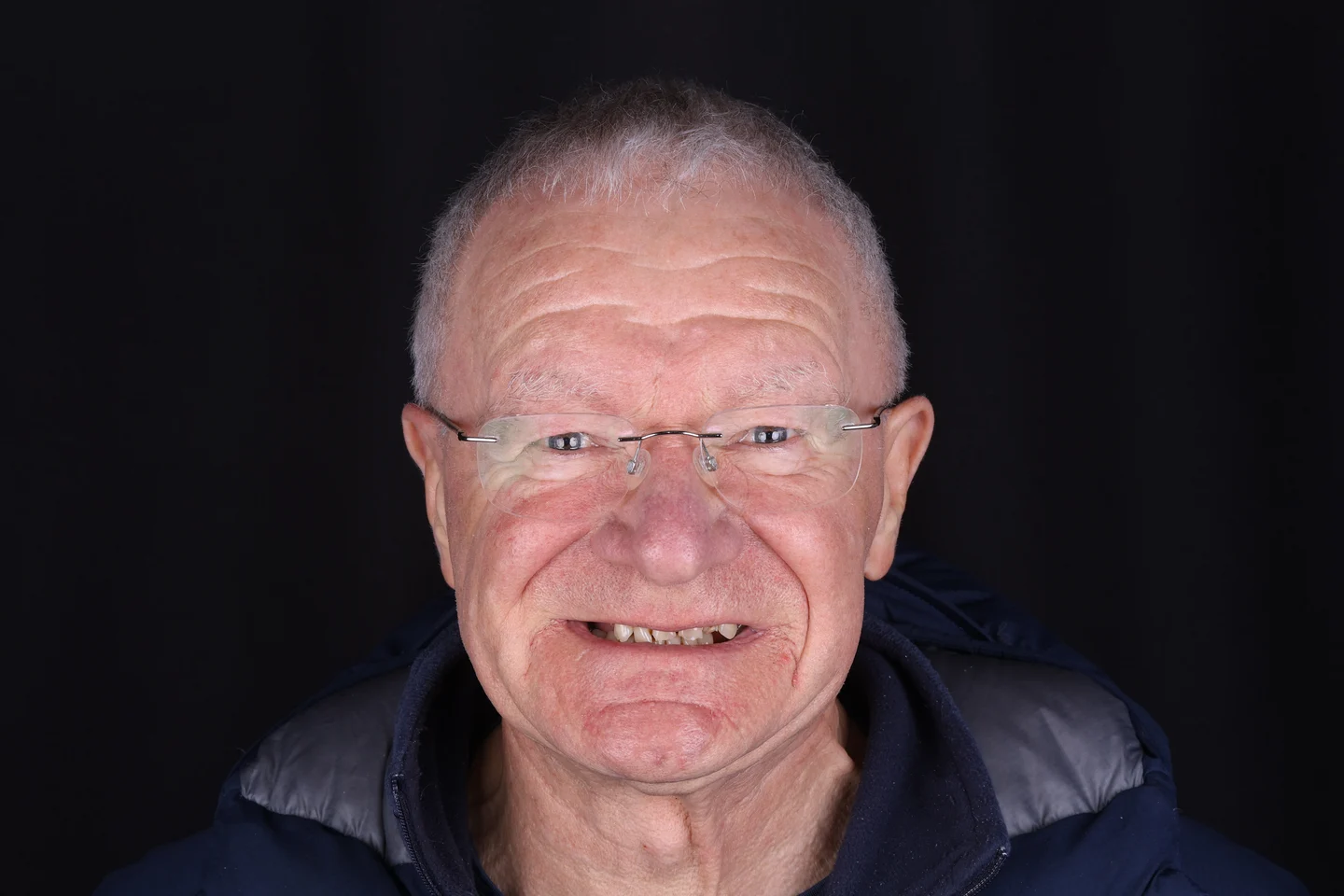
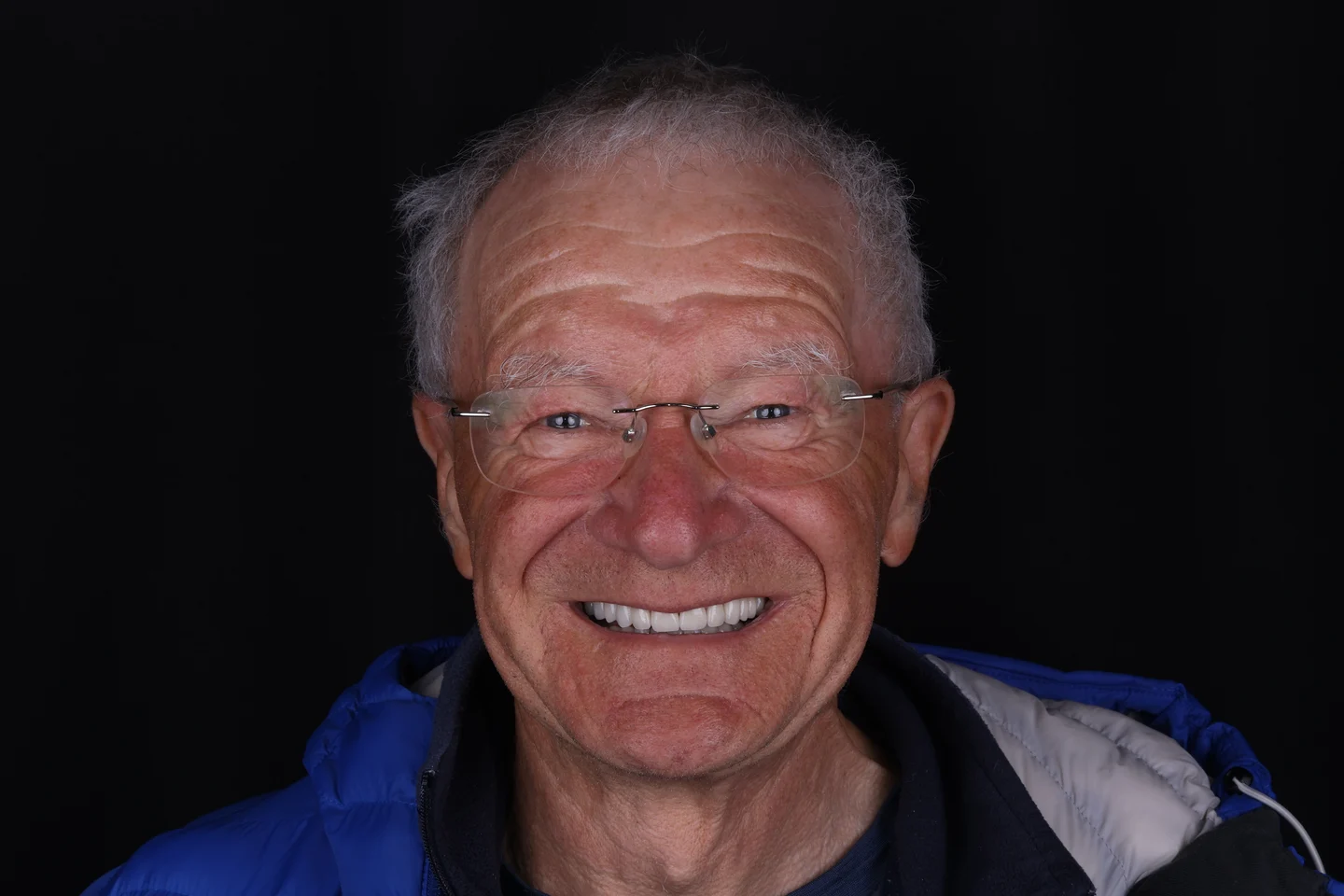
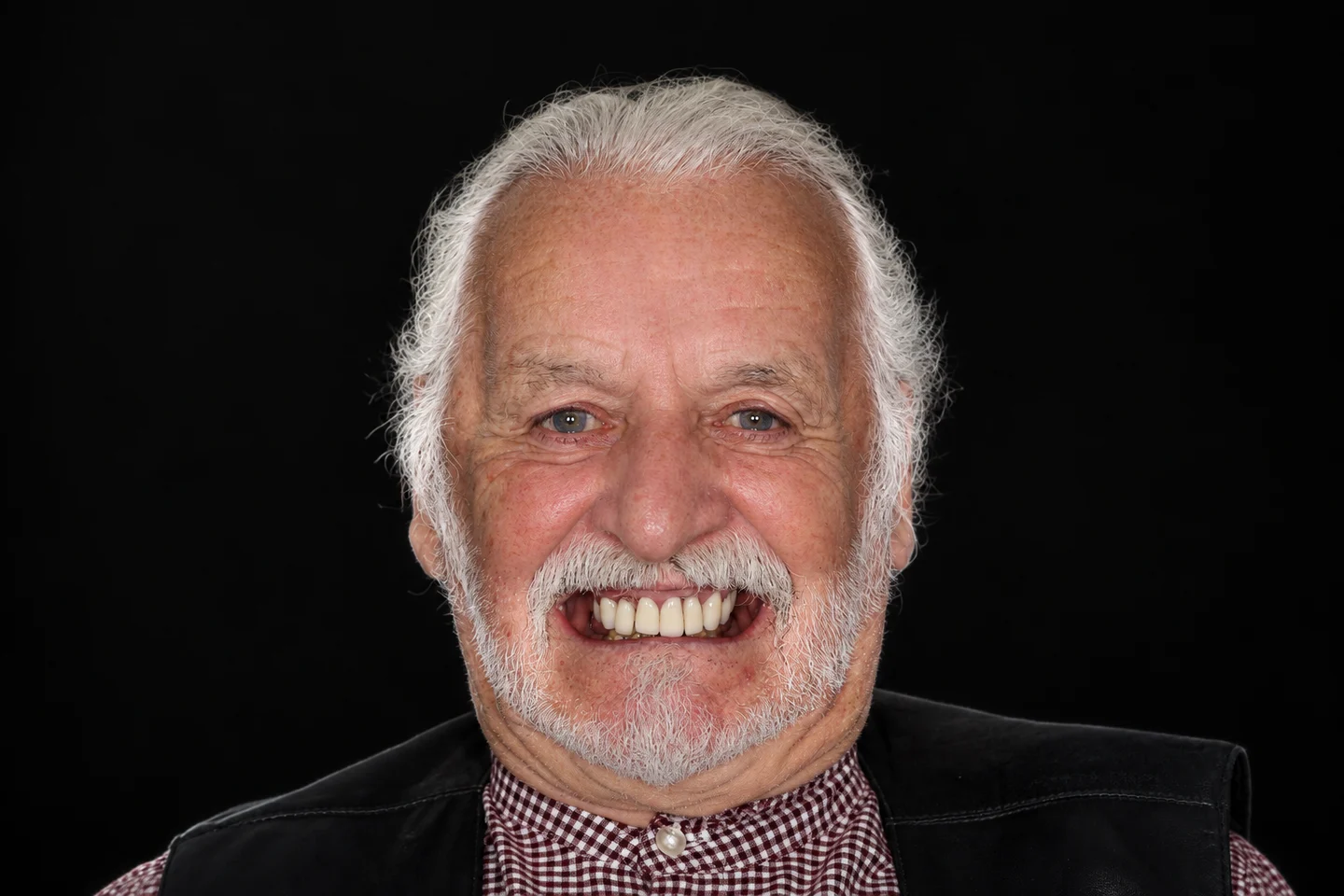
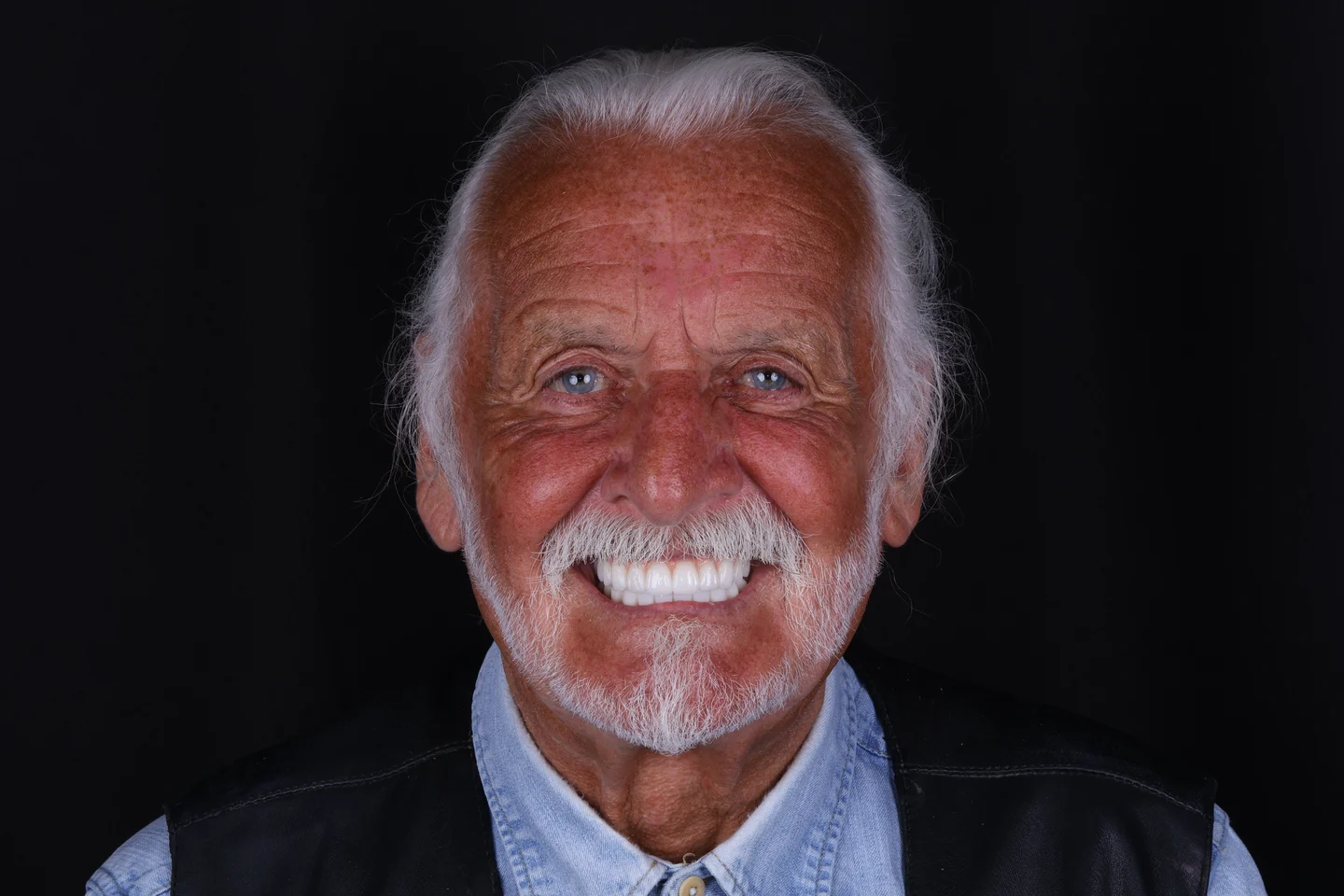
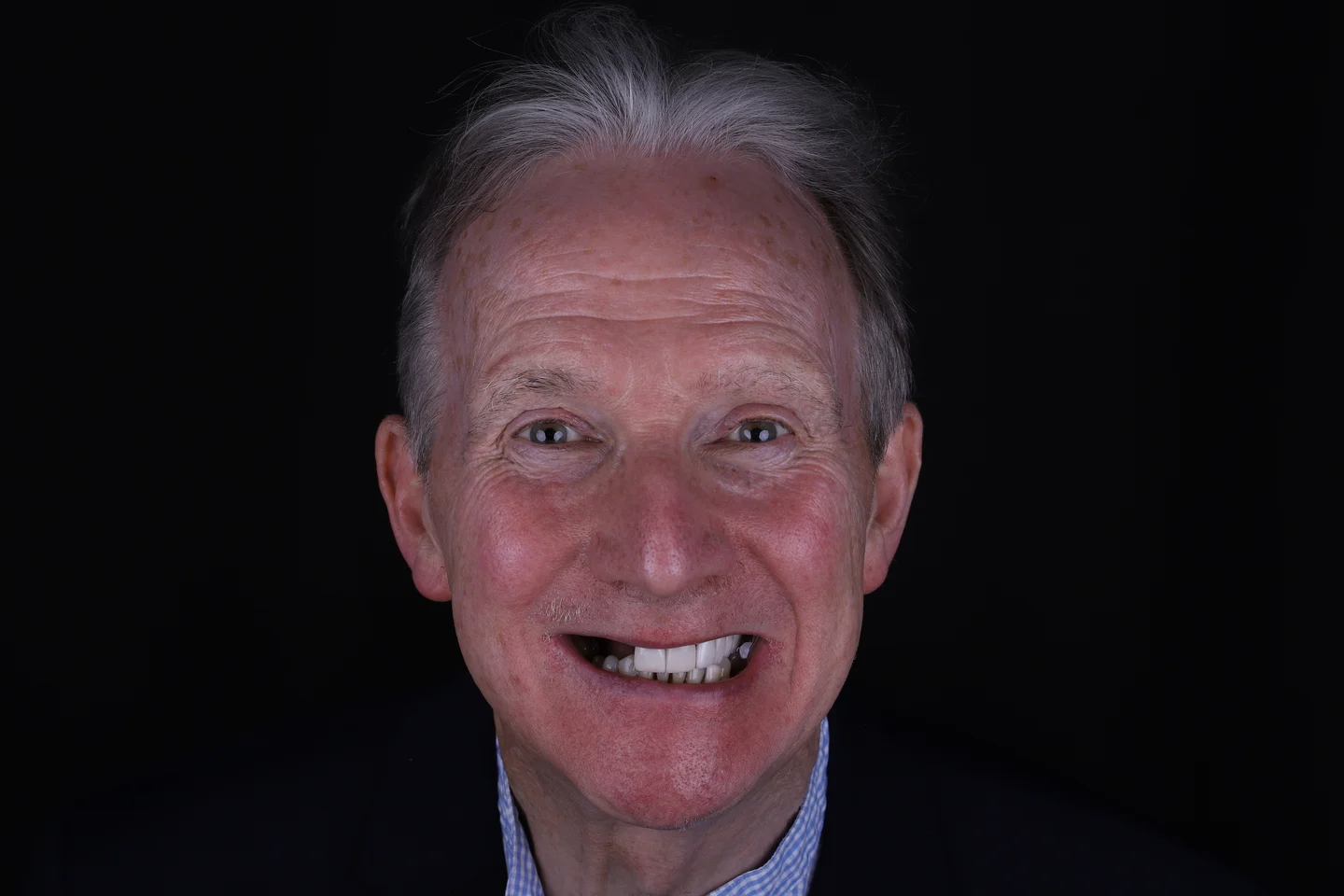
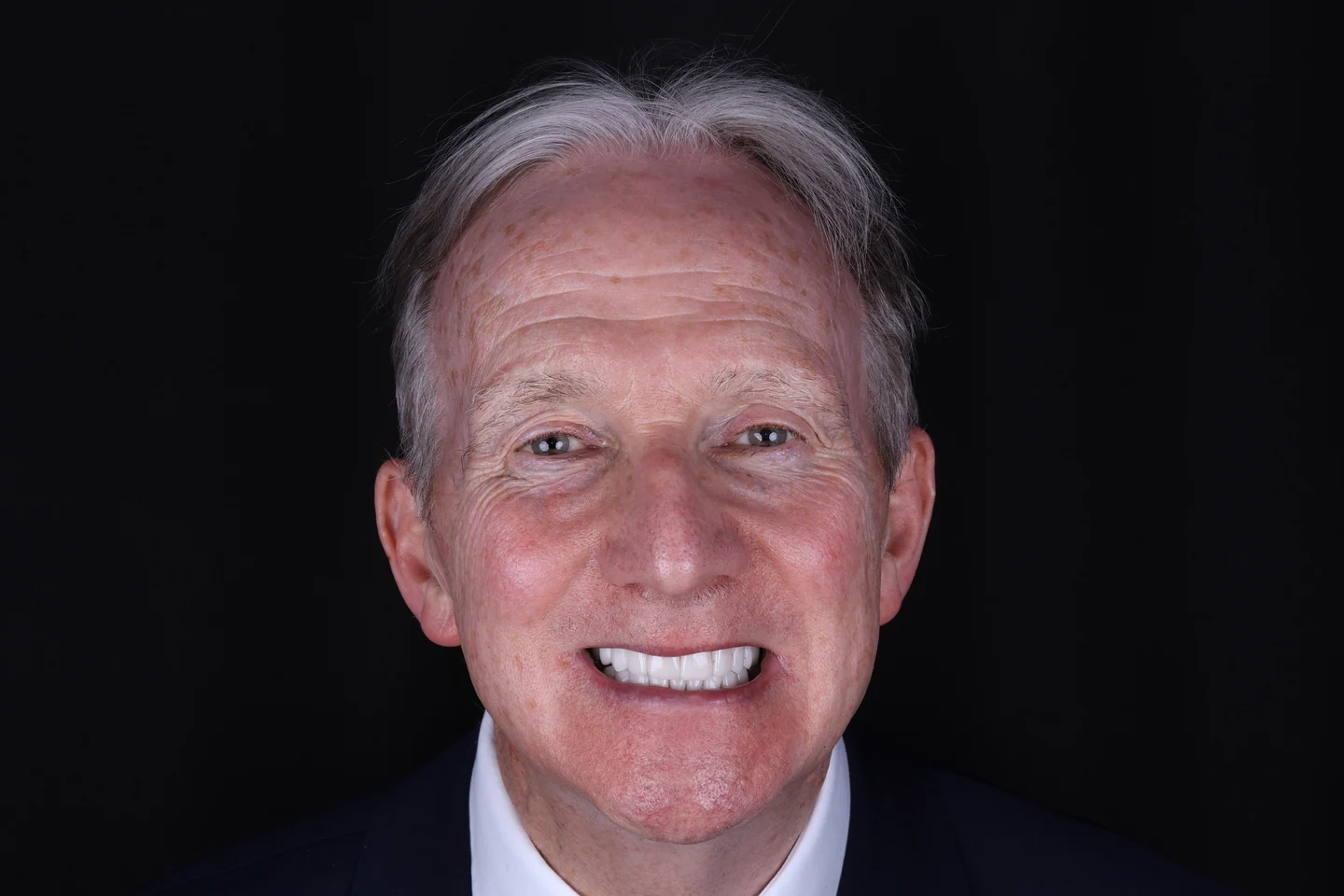
Dentures before and after
See how replacing missing teeth can change a smile, including examples of partial and full dentures.
At your consultation, ask us about cases similar to yours. We’ll explain what was involved and what may be possible for you.
Individual results vary.
Which types of dentures are available?
The best dentures for you depend on your remaining teeth, gums, bite, preferences and budget. There isn’t one material that suits everyone.
Full dentures
Full dentures replace a complete upper or lower set of teeth. They rest on your gums and are shaped around the tissues that support them.
Upper and lower dentures behave differently. An upper denture generally covers the palate, which helps it stay in place. A lower denture has less surface area for support and must work around your tongue.
We’ll explain what that means for the stability you can expect.
Partial dentures
Partial dentures replace one or several missing teeth while keeping your remaining natural teeth.
They may use clasps around some of those teeth for support. The design depends on where the gaps are and which teeth can safely help hold the denture.
If you’re worried about visible clasps, tell JK. He can explain the suitable designs and how they’re likely to look.
Acrylic dentures
Acrylic dentures have a plastic base coloured to resemble your gums. They can be used for full or partial dentures.
They can often be repaired or have teeth added, depending on the design and condition. This can be useful when further changes to your mouth are expected.
Cobalt chrome dentures
Cobalt chrome dentures use a strong metal framework. This can allow parts of the denture to be thinner than an acrylic design.
They’re commonly used for partial dentures, where the framework and clasps are planned around your remaining teeth.
JK will explain whether this approach offers an advantage for you.
Flexible dentures and Valplast®
Flexible dentures, including Valplast®, use a flexible material and can be an option for some partial dentures.
Their appearance and flexibility appeal to some patients, but they aren’t suitable for every mouth. Adjustments, repairs and future changes also need consideration.
We’ll explain the practical differences before recommending a material.
Implant-retained dentures
Implant-retained dentures attach to dental implants in the jaw. You still remove the denture for cleaning, but the attachments provide additional support.
They may be worth discussing if a conventional denture moves too much, particularly in the lower jaw.
Suitability depends on your oral health, bone and medical history. Treatment involves surgery and ongoing maintenance.
Fixed teeth and All-on-4
If you want teeth that you don’t remove yourself, fixed implant treatment may be an option.
All-on-4 replaces a full arch with a bridge supported by implants. It is different from a removable denture and has different costs, treatment stages and care requirements.
JK provides both restorative and implant treatment, so you can discuss the alternatives with him.
Getting dentures at Smileworks: what happens?
1. Your assessment and treatment plan
Your denture consultation costs £90.
Tell JK what you’re finding difficult and what you want to change. If you already wear dentures, bring them along and explain what you like or dislike about them.
He’ll examine your mouth, assess your remaining teeth and gums, and explain any X-rays needed. You’ll discuss the suitable options and receive a treatment plan setting out the proposed work and costs.
You can ask questions and take time to think.
2. Impressions and measurements
We take impressions and record how your jaws meet. Depending on your treatment, the laboratory may make individual trays for a more detailed set of impressions.
These records help us plan the fit, bite and position of your new teeth.
3. Choosing your smile and trying it in
We discuss the appearance of your teeth and, where the treatment allows, arrange a trial stage before the denture is finished.
This is your opportunity to tell us what you think of the shape, colour and position. JK also checks the bite and support.
4. Fitting your dentures
When your dentures are ready, JK checks how they fit and how your teeth meet.
We show you how to put them in, take them out and clean them. We also explain eating, speaking and what you may notice in the first few weeks.
5. Reviews and adjustments
Fitting day is part of the process. Your mouth needs time to adapt, and some areas may need adjustment.
Contact us if you’re sore or struggling. You don’t have to wait for a routine check-up.
Making conventional dentures usually involves several appointments over a number of weeks. Around five weeks may be a useful guide for straightforward treatment, but extractions, healing and additional work can extend this. We’ll give you a timetable for your own treatment.
“At each stage of the process, I was kept informed of the next procedure and how long it would take.”
Paul · 2024
Will I have to go without teeth?
Tell us if this is worrying you. We’ll discuss the plan before any teeth are removed.
In suitable cases, immediate dentures can be made in advance and fitted after extractions. These provide replacement teeth while your mouth heals.
Your gums and bone change during healing, so immediate dentures commonly need adjustments, relining or replacement. We’ll explain the likely stages and costs.
They are a healing-stage solution. Their fit and appearance may differ from the dentures made once your mouth has settled.
Denture prices in Liverpool
The cost of dentures depends on the number of teeth being replaced, the material and design, and any treatment needed first.
| Treatment | Starting price |
|---|---|
| Denture consultation | £90 |
| Single-tooth partial denture | From £650 |
| Full acrylic denture | From £1,610 |
| Full cobalt chrome denture | From £2,300 |
A larger partial denture, including one replacing the front six teeth, can cost as much as a full denture depending on its design.
Your written plan will explain the cost for your mouth. It should also make clear whether extractions, temporary dentures, adjustments and future relines are included or charged separately.
Can I spread the cost?
We offer patient finance through Medenta, including interest-free and interest-bearing options, subject to affordability, age and status. Minimum spend applies.
Our team can explain the available terms, monthly payments and total amount repayable.
Tell us your budget. It belongs in the conversation from the beginning.
Getting used to new dentures
New dentures can feel unfamiliar even when they’ve been carefully made. You may notice extra saliva, changes in speech or a feeling of fullness in your mouth.
Give yourself time. Practising speaking aloud and inserting and removing your dentures can help.
Some people adapt quickly. Others need more support and adjustments. If you’re struggling, tell us what happens and when. That helps us work out what needs attention.
Eating with dentures
Start with softer foods and small pieces. Chew slowly, using both sides of your mouth where possible, and gradually introduce more foods as you become comfortable.
Hard or sticky foods can be more difficult. Biting into food with your front teeth may tip a removable denture.
The aim is to help you enjoy eating again, but removable dentures don’t behave exactly like natural teeth. We’ll be honest about their limits and discuss alternatives if stability remains a problem.
What if my dentures rub or hurt?
Sore spots can develop after fitting. They may need a small adjustment.
Contact us if you have pain, ulcers, bleeding, clicking, slipping or difficulty eating. A change in your bite or persistent jaw discomfort also deserves a check.
Don’t file the denture yourself or keep adding adhesive to compensate for a poor fit. Let us assess it.
My upper denture is fine, but my lower denture is loose
This is a common difficulty. Lower dentures have less support than upper dentures, and movement of the tongue and changes in the jaw ridge can affect stability.
We’ll assess the fit, bite and condition of your denture. An adjustment, reline or replacement may help. In suitable cases, implant retention can provide more stability.
Looking after your dentures
We’ll give you care instructions for the material used in your dentures.
- Remove and clean them every day, including the surfaces against your gums.
- Use the cleaning products we recommend. Ordinary toothpaste can scratch denture surfaces.
- Clean them over a towel or a basin of water in case you drop them.
- Avoid hot water, which can distort them.
- Clean your remaining teeth, gums and tongue.
- Usually remove dentures overnight, unless your dentist gives you different instructions.
- Store them as advised to prevent them drying out or changing shape.
Keep coming for dental reviews even if you have no natural teeth. We still need to check your mouth, gums and the fit of your dentures.
Dentures in the UK or abroad
When comparing denture treatment, include the appointments after fitting.
You may need several visits to get the fit and bite right. Your mouth can also change during healing. Before booking treatment away from home, establish who will provide adjustments, what they cost and what happens if you need help after returning.
At Smileworks, you have a Liverpool practice to return to for your planned reviews and ongoing care.
Compare the whole treatment and aftercare arrangement when deciding.
Your questions about dentures
Which dentures are best?
The best dentures are the ones designed for your mouth and needs. Good assessment, accurate records, skilled laboratory work and accessible aftercare all matter.
JK will explain why he recommends a particular design and what its limitations are.
What’s the difference between NHS and private dentures?
Dentures are available through NHS dentistry where clinically appropriate. Smileworks provides private treatment.
Private treatment can offer a wider choice of materials and cosmetic detail. Ask what the proposed treatment includes, how the teeth will be designed and what follow-up care is provided. Paying privately does not remove the need for an adjustment period.
Can dentures look like my old teeth?
Often, we can recreate important features of your previous smile. Photographs are helpful.
We’ll discuss which details you want to keep and which you’d like to change. We also need to account for your current mouth and bite.
Will dentures change my face?
Dentures can restore support to your lips and cheeks after tooth loss. Tooth position and the way your jaws meet influence the result.
We plan those details carefully. Dentures cannot stop every change associated with ageing or bone loss.
Can dentures be whitened?
Whitening gel does not change the colour of denture teeth as it does natural teeth.
Choose the shade with us before they’re made. If existing dentures are stained, ask us about cleaning or polishing.
Should I use denture adhesive or fixative?
Denture adhesive can help some people feel more secure. Use it as directed.
It should not disguise a denture that has become loose or uncomfortable. If you need increasing amounts, arrange a review.
How long will my dentures last?
Dentures can last for years, but your mouth changes and the teeth and base can wear.
Regular reviews help us decide when an adjustment, reline or replacement is needed. A denture can need attention even if it hasn’t broken.
Can I sleep in my dentures?
Usually, you should remove them at night to let your gums rest. Your dentist may give different instructions immediately after extractions.
Follow the advice for your treatment and ask us if removing them is worrying you.
Will I be able to speak and sing normally?
New dentures can temporarily change how some sounds feel. Reading aloud and practising can help.
If speech remains difficult, tell us. We can check whether the fit or tooth position needs attention.
I’m young. Can I still have dentures?
Yes. People need dentures at different ages, including after an accident or illness.
We’ll explain the options for replacing your teeth now and what may be appropriate in the longer term. You deserve the same thoughtful care whatever your age.
What if I gag when wearing dentures?
Tell JK, particularly if you already struggle with impressions or anything touching your palate.
We can assess the design and fit and discuss ways to help you adapt. Persistent gagging needs a review.
Can dentures cause sinus problems?
Sinus symptoms aren’t something to dismiss or diagnose from a denture page. If symptoms begin after an extraction or alongside dental pain, contact your dentist so the cause can be checked.
What are the risks or disadvantages?
Dentures can cause soreness, affect speech and take time to get used to. Poor cleaning can contribute to infection, and poorly fitting dentures can make eating difficult.
Partial dentures also need careful cleaning around the remaining teeth. Removable dentures do not prevent bone changes following tooth loss.
JK will explain the benefits and limitations relevant to your mouth before you decide.
What happens if my denture breaks?
Contact us and keep all the pieces. Don’t try to repair it with household glue.
We’ll assess whether it can be repaired or needs replacing and explain the cost and timing. Your treatment paperwork will set out the applicable warranty and conditions.
Book your denture consultation at Smileworks
You don’t need to know which dentures you want. You just need to tell us what you’re finding difficult and what you’d like to change.
Meet JK. Bring your questions, your old dentures or a photograph of a smile you miss.
We’ll explain what can be done and help you take the next step.
Come as you are. We’ll take care of you.