

Dental Crowns Liverpool
When a tooth breaks, a filling fails or an old crown spoils your smile, you need someone you trust to sort it out. You want to eat without worrying and smile without thinking about that one tooth.
At smileworks we do this every day. We care how your teeth look, how they feel and how you feel. We’ll listen to you, help you understand whether a crown is the right answer and make sure it looks natural and fits comfortably.
You don’t need to know which treatment you need. Just come as you are. You don’t need to be brave, we’re absolute experts at this and will help you from here.

My teeth look so natural and exactly how I wanted them.
Paulagreat with my crown.
sathanaExceptional
Pollygreat job of my crown and filling.
Carloabove and beyond
H (anonymous)I didn’t need a root canal so I didn’t need to pay for a crown just a white filling
kee
Do I actually need a crown?
That’s the first thing we’ll help you understand.
You might have a broken tooth, a large filling that keeps failing or a tooth that needs protection after root canal treatment. You also just might need a crown replacing.
Sometimes a crown is the right answer. Sometimes a filling, bonding or an onlay can do the job while preserving more of your tooth.
Knowing when to recommend a crown and when to leave more of your tooth alone is part of excellent dentistry.
We’ll explain what we can see, what we recommend and why. You’ll understand the alternatives, the likely costs and what each option means for the future of your tooth.
You’re booking an assessment and advice. You decide whether to go ahead with treatment.
How teeth get cracked or damaged
Teeth work hard. Large fillings, decay, grinding and accidents can leave them weakened or broken. It can happen suddenly or a tooth may have been troubling you for a while.
A damaged tooth doesn’t automatically mean losing it. We’ll assess how much healthy tooth remains and whether it can be repaired reliably.
If you have pain, swelling or a recent break, contact us so we can help you arrange the right appointment.
What is a crown?
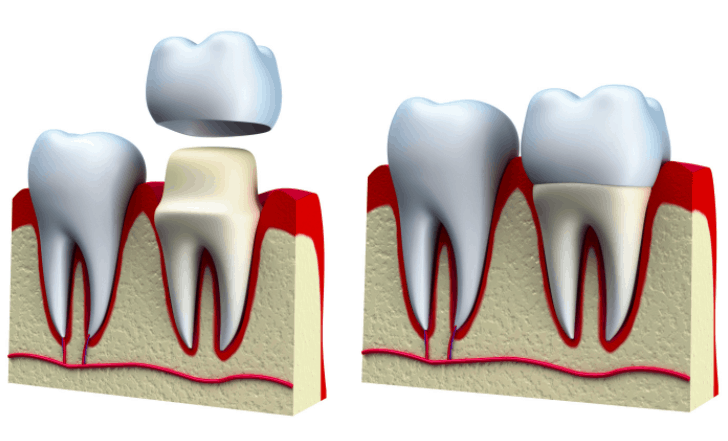
A dental crown, sometimes called a tooth cap, is a custom-made covering that fits over a prepared tooth. It restores its shape and helps protect the remaining tooth beneath it.
Crowns can rebuild front or back teeth that are too damaged for a straightforward filling. They can also replace an existing crown that no longer fits, functions or looks as it should.
The aim is simple: a tooth that looks right, feels comfortable and works well.
Your Cosmetic Dentists
The details matter. So does the person looking after you.
A successful crown needs careful planning, precise preparation and a good understanding of your bite. A natural-looking result also takes an eye for the small differences in colour, shape and texture that make a tooth belong in your smile.
Our dentists work with dental technicians to bring those details together. We’ll match you with the appropriate clinician for your needs and explain who will be involved in your care.
Meet our team, explore their experience and get to know the people behind your treatment.




What happens at my consultation?
We start by listening. Tell us what’s happened, what’s bothering you and what you’d like to change.
Your dentist will examine the tooth, assess your bite and gum health, and discuss any X-rays or other checks needed. We’ll then explain:
- Whether the tooth can be restored and whether a crown is appropriate.
- Your suitable alternatives.
- The appearance and result we can reasonably achieve.
- Any treatment needed before a crown can be fitted.
- Your appointments, costs and aftercare.
Bring your questions, including the ones you think might sound silly. Understanding your treatment is part of being comfortable with it.
General dental consultations are £90. Our team will confirm the right appointment and any additional investigation fees when you book.
Different Types & Materials
The best crown material depends on your tooth, your bite and the result you want. Front teeth need particular attention to appearance; back teeth need to cope with substantial chewing forces.
You don’t need to choose a material before seeing us. We’ll explain the suitable options and help you understand their benefits, limitations and cost.
Porcelain
Porcelain crowns can closely reproduce the appearance of natural teeth, including the way they reflect light. They can be a good choice where appearance is particularly important.
If you’re mainly concerned about a small chip or the front surface of a tooth, we may also discuss porcelain veneers, composite veneers or composite bonding.
Emax / Zirconia
Emax and zirconia are tooth-coloured ceramics used to make dental crowns.
Emax is often chosen for its lifelike appearance. Zirconia offers high strength and can be useful where the crown needs to withstand greater biting forces. Different versions of these materials offer different combinations of strength and appearance.
We’ll recommend the option that suits your individual tooth.
Metal
Metal crowns, including gold alloys, can be durable options for back teeth where appearance is less of a concern.
They have different preparation and material requirements from ceramic crowns. Your dentist will explain when a metal crown could be a sensible choice.
Porcelain covering metal
These crowns combine a metal base with a tooth-coloured porcelain covering.
They remain an option for some teeth. We’ll discuss how they compare with all-ceramic alternatives, including appearance around the gumline.
Crowns vs Fillings
A filling repairs part of a tooth. A crown covers the prepared tooth more extensively and can help protect a tooth that has lost substantial structure.
A bigger treatment isn’t automatically a better treatment. If a filling can restore your tooth reliably, we’ll discuss it. If the remaining tooth needs more protection, we’ll explain why a crown or onlay may be worth considering.
What’s it like to be a patient at Smileworks?
You should feel listened to, understand what’s happening and know who to ask when you need help. Explore our team and hear from patients about their experience.
The Restorative Procedure
Once you’re happy with your treatment plan, crown treatment usually involves two appointments, sometimes with additional visits if the tooth needs other care first.
Preparing your tooth. We make the area comfortable, carefully shape the tooth and take the records needed to make your crown. A temporary crown usually protects it while the laboratory makes the final restoration.
Fitting your crown. We check its appearance, fit and how your teeth meet before securing it in place. We’ll explain how to care for it and what to do if anything feels uncomfortable afterwards.
You’ll know what to expect before we begin.
How are crowns made?
Your crown is made individually by a dental laboratory using the records and shade information provided by your dentist.
Getting the colour right involves more than choosing “white”. Natural teeth have variations in shade, translucency and surface texture. These details help a crown blend into your smile.
We’ll confirm the expected timescale for your treatment. If you have an important event coming up, tell us early so we can discuss what’s achievable.
Private vs NHS
Crowns can be available through the NHS when clinically necessary. The materials and treatment offered depend on clinical need and NHS arrangements.
Smileworks is a fully private practice. We’ll discuss the suitable materials, the appearance you want, your treatment choices and their costs.
If you’re comparing private and NHS crowns, we’re happy to explain the differences relevant to your tooth. You should understand what you’re paying for.
Problems and replacements
Crowns can provide many years of service, but they can chip, loosen or need replacing. The tooth underneath can also develop decay or problems with its nerve.
Your dentist will discuss the risks relevant to your tooth before treatment. Some teeth may need root canal treatment, either before a crown or later.
If an existing crown is loose, painful or damaged, let us assess it. It may be possible to repair or re-cement it; sometimes a replacement or another treatment is needed. If the tooth cannot be saved, we’ll explain options such as a dental bridge or implant.
Front vs Back Tooth Crowns
With a front tooth crown, small details are especially noticeable: its shape, colour, position and how it sits alongside neighbouring teeth.
Back tooth crowns need to cope with the forces of chewing. We’ll consider strength, available space and your bite, as well as appearance.
Both should feel comfortable and fit naturally into the way your teeth work together.
How to prevent cracks, chips and damage in the first place
Regular dental check-ups and hygiene appointments help us spot problems early and keep the supporting teeth and gums healthy.
Brush twice daily with fluoride toothpaste, clean between your teeth and limit how often you have sugary food and drinks. Avoid using your teeth to open things or biting very hard objects.
If you grind or clench, tell us. We can assess whether you need additional protection.
Taking Care of Your New Tooth
Clean around your crown just as carefully as your other teeth, including where it meets the gum. The crown itself cannot develop decay, but the tooth underneath still can.
Keep up your recommended dental appointments and contact us if the crown feels loose, your bite feels wrong or discomfort persists.
We’ll give you practical aftercare advice for your particular crown, including how to look after a temporary restoration.
Nervous about having a crown?
Tell us. You don’t have to hide it or apologise.
You might be worried about discomfort, embarrassed about your teeth or carrying a difficult experience from another dentist. We want to understand what would make this easier for you.
We’ll explain each stage, discuss how to keep you comfortable and agree how you can ask us to pause. If you need extra support, we’ll talk through the options suitable for you.
You don’t need to feel brave before you get in touch. Just come as you are.
Dental Crowns Cost
Dental crowns at Smileworks start from £977.50 per tooth.
Your price depends on the condition of your tooth, the restoration you need and the material and laboratory work involved.
We’ll assess your tooth and provide a treatment plan explaining the recommended work and its cost. If you need additional treatment, such as a build-up or root canal treatment, we’ll explain that too.
Your options
We’ll discuss the suitable choices for your tooth and your budget, including differences in materials and laboratory work. You’ll understand what is included in your quote.
More than one crown
If several teeth need attention, we’ll assess them together and explain the full plan. Each crown should have a clear reason for being recommended.
Paying for treatment
Finance options are available through Medenta, including 0% APR options. Finance is subject to affordability, age and status; minimum spend and terms apply. Ask our team about the options for your treatment.
Subject to age and status; a minimum spend applies.
Your next step
You don’t need to know whether you need a crown, a filling or something else. Tell us what’s bothering you and we’ll help you take the next step.
Patient Reviews
Beautiful results matter. So does feeling comfortable, understood and well looked after along the way.
Read what patients say about their experience at Smileworks.
Reviews pause on hover or focus. Press Space or Enter, or tap the wall, to pause or resume.
Exceptional
Pollyabsolutely brilliant
Clareamazing!!
saraAmazing, friendly and professional
EmilyThe staff are amazing!
NickyAmazing place, amazing staff.
Kierenartistry
JamesPaula was outstanding.
Jamesthey look amazing ❤️
Victoriait was hard to not laugh
Charlottefelt so welcomed by the WHOLE team
Charlottefinal result looks amazing.
CarlFelt comfortable the whole time.
Tobiasamazing experience from start to finish
SueExceptional service
TimI cannot stop smiling
Stephwasn’t even slightly uncomfortable.
Stephquick and painless (tiny bit of sensitivity but extremely manageable)
nourJo definitely has the better singing voice!
ClareAn outstanding experience
Clarea perfectionist and friendly.
AlexIn just two hours, I had my perfect smile.
Romayou are life savers !!
mollyKhalid gave me my perfect smile.
Georgeit was a pleasure to come here 😊
Thomasflying with Smileworks! 💪😎🌟
TobiasShe was just amaizing!💯
CristianI am in lovee with the final product 🫶🏼
Zoe
Looking for dental crowns near you? You’ll find Smileworks in Liverpool ONE, at 1a Kenyons Steps. Explore the practice and use the map to plan your visit.
Frequently Asked Questions
Straightforward answers to the questions patients ask about dental crowns, tooth caps and looking after their treatment.
Will they stain & can crowns be whitened?
Does the procedure hurt?
Local anaesthetic is normally used when preparing a tooth for a crown. We check that you’re comfortable before starting, and you can ask us to pause.
Some sensitivity or gum tenderness can occur afterwards. We’ll explain what to expect and when to contact us.
What’s the difference between tooth crown and a cap?
A crown and a tooth cap usually mean the same thing: a restoration that covers a prepared tooth to restore its shape and function.
A filling repairs part of a tooth rather than covering it in the same way.
How long do different types of crowns last?
Crowns can last many years, but there isn’t one lifespan that applies to every tooth or material.
The condition of the underlying tooth, your bite, grinding, cleaning and regular dental care all matter. We’ll explain the outlook for your particular tooth and how to help your crown last.
Can my crowns be removed, repaired or replaced?
Yes. Depending on the problem, a crown may be repaired, re-cemented or replaced.
We need to check the tooth underneath first. Its condition determines whether another crown is suitable or whether you need a different treatment.
What if i’m feeling sensitivity of pain?
Contact us if a crowned tooth is painful or sensitive, particularly if symptoms are worsening, disturbing your sleep or accompanied by swelling.
There are several possible causes, including bite problems, decay or inflammation inside the tooth. An examination helps us find the cause and recommend appropriate care.
Can crowns get cavities
The crown material cannot get a cavity, but the natural tooth underneath and around its edges can develop decay.
Daily cleaning and regular check-ups are important even when a tooth has a crown.
Are tooth caps safe & can I be allergic to the metals in crowns?
Dental crown materials are selected for use in the mouth, but allergies to particular metals can occur.
Tell us about any known allergies or previous reactions. We’ll take them into account when discussing materials, including suitable metal-free ceramic options.
Can tooth crowns get infected?
The tooth underneath a crown can develop an infection. This may relate to existing damage, decay or a problem with the nerve inside the tooth.
Some teeth need root canal treatment to address the infection; others may be too damaged to save. We’ll assess the tooth and explain your options.
Which materials are the best for crowns and caps?
There is no single best material for every tooth.
Options include ceramic materials such as Emax and zirconia, metal alloys, and porcelain bonded to metal. The right choice depends on the tooth, your bite, the available space and the appearance you want.
How do I decide which crown materials are right for me?
We’ll help you decide after examining your tooth.
Your dentist will explain the suitable options, why they recommend a particular material and any differences in appearance, durability and price. You don’t need to research materials before booking.
What is dental crown leakage?
Leakage describes a problem with the seal between a crown and its supporting tooth. Bacteria can enter around the edge and cause decay underneath.
It may not be obvious at first, which is one reason regular check-ups matter. Treatment depends on the condition of the crown and the tooth.
How do I know if I need a crown?
You may benefit from a crown if a tooth is badly broken, weakened by a large filling or needs protection after root canal treatment.
An examination is needed to decide. Sometimes a filling or onlay is sufficient, and sometimes a tooth needs other treatment first.
Is the work guaranteed?
Our crown treatment comes with a guarantee, subject to its terms and conditions.
We’ll explain the cover that applies to your treatment, any membership-related benefits and the exclusions. A guarantee is different from the expected lifespan of a crown and does not cover every problem that might develop in the underlying tooth.
Should I consider going abroad for my dental crown or cap treatment?
Wherever you have treatment, you should understand why each crown is needed, how much natural tooth will be removed, who is treating you and what happens if you need follow-up care.
Be particularly cautious about extensive crown treatment on otherwise healthy teeth. Preparing teeth for crowns is irreversible, and those teeth will need ongoing care.
If you already have crowns fitted abroad and are concerned about them, you’re welcome to contact us for an assessment.
What’s the difference between a crown and a veneer?
A crown covers the prepared tooth more extensively. A veneer mainly covers its front surface.
They serve different purposes. We’ll consider the condition of the tooth and the changes you want before recommending either.
What’s the difference between a crown and a dental implant?
A crown can restore a damaged natural tooth when enough supporting tooth remains.
A dental implant replaces the root of a missing tooth. A restoration, often a crown for a single missing tooth, is then attached to it.
They aren’t interchangeable treatments. We’ll first establish whether your natural tooth can be kept.
How will I know if I need a crown or an extraction?
We’ll assess the remaining tooth, its roots and the surrounding support, using X-rays where needed.
If it can be restored predictably, we’ll explain how. If the damage makes keeping it unlikely to succeed, we’ll discuss extraction and the options for replacing it.
You’ll understand the reasons behind our recommendation.
What’s the difference between a crown and an onlay?
Are some types of dental crowns toxic?
Dental crowns are made from materials intended for use in the mouth. A properly selected crown is not expected to cause toxicity in normal use.
If you have a particular concern, allergy or previous reaction, tell us. We’ll explain the proposed material and discuss suitable alternatives where needed.
What are the pros and cons of dental crowns or caps?
Pros
- Can restore a weakened or damaged tooth.
- Can improve its appearance, shape and function.
- May help retain a tooth that cannot be repaired reliably with a filling alone.
- Can provide many years of service with appropriate care.
Cons
- Preparing a tooth for a crown removes tooth structure and is irreversible.
- Crowns can chip, loosen or need replacing.
- The underlying tooth can still develop decay or need root canal treatment.
- A crown costs more than some simpler repairs and may not always be necessary.
We’ll weigh these up for your tooth and explain the recommendation clearly.
Will my crown look like my other teeth?
A tooth-coloured crown can be made to blend closely with your smile.
We consider its shade, shape and surface detail alongside your neighbouring teeth. Matching a single front tooth can be particularly demanding, so careful planning and communication with the laboratory matter.
Tell us what you like and dislike about your smile before treatment begins.
Will I be left with a gap between appointments?
A temporary crown is usually fitted while your permanent crown is being made. It protects the prepared tooth and helps maintain its appearance.
We’ll explain any exceptions before treatment and tell you how to look after the temporary crown.
Do I need root canal treatment before a crown?
Not necessarily. Many teeth can have crowns without root canal treatment.
If the nerve is infected or otherwise needs treatment, we’ll discuss that before proceeding. A tooth that has already had root canal treatment may need a crown or another restoration to protect it, depending on its condition.
Can you replace an old crown that looks dark or unnatural?
Often, yes. We’ll check the existing crown, the tooth underneath and the surrounding gum before discussing replacement.
A dark edge, poor colour match or an uncomfortable shape can have different causes. We’ll explain what can be improved and whether any other treatment is needed.
What if I grind or clench my teeth?
Tell your dentist, even if you’re unsure. Grinding and clenching affect the forces on your teeth and restorations.
We’ll consider your bite when planning treatment and discuss whether a protective appliance or other measures would help.
Can I ask a question before booking?
Absolutely. Tell us what’s happened, what you’re worried about or what you’d like to change.
Our team can help you understand the next step and arrange the right appointment. We’ll need to examine your teeth to give a diagnosis and personal treatment recommendation.
Let’s look after your tooth—and you
A tooth that needs attention can take up a surprising amount of headspace. Let us help you understand what’s happening and what you can do about it.
You’ll get clear advice, thoughtful dentistry and a team that wants you to feel comfortable from the moment you arrive.
You don’t need to have the answers. Just come as you are.