“Eduardo gave me the reassurance and delivered the results I wanted.”
Subhanky Raveendran · Spark aligners

You want to straighten your teeth and find someone you trust to do it well. Choosing the right person matters more than choosing a particular brand of braces. Here, Dr MJ Rowland-Warmann answers the questions patients ask about Fastbraces, while Eduardo and our orthodontic team help you decide what will work for your teeth.
We can provide Fastbraces when they are suitable. We will also explain when we would recommend something else and why. You do not need to choose an appliance before you come in.
Explore our teeth-straightening treatments, including fixed braces, Invisalign and Spark aligners.

Eduardo gave me the reassurance
both Ana and Eduardo helped me out majorly throughout this time
Fastbraces is a brand of fixed braces. Brackets attach to your teeth and wires guide them into position. The triangular brackets look different from conventional brackets, but the purpose is the same: moving your teeth into the planned position.
At Smileworks, we would consider Fastbraces for mild crowding and smaller alignment changes, typically cases we expect to complete within a year. That is about choosing a suitable case, not promising everyone a quick finish.
Looking for “fast braces” does not mean you need this particular brand. Your teeth do not know what is written on the box. They respond to the forces applied and the movements being planned.
“the speed of a case generally depends on its complexity.”
— Dr MJ Rowland-Warmann
In a hurry to straighten your teeth? A mild alignment problem generally takes less time than a complex one. Changing how your teeth meet can take longer than correcting a small overlap.
Fastbraces is a branded version of brackets and wires. For the same case, we do not choose it expecting faster tooth movement than conventional fixed braces. In our clinical experience, we can achieve good results at a comparable pace with either.
“we can get great results with either.”
— Dr MJ Rowland-Warmann
Where we may prefer conventional braces is the finishing. Their bracket and wire system can give us more precise control over the final details. Getting the front teeth looking straighter is not always the same as finishing the job properly.
Short Term Orthodontics describes a limited treatment approach, not a shortcut for every case. If your teeth or bite need more extensive work, we will explain the orthodontic treatment options that suit the whole problem.
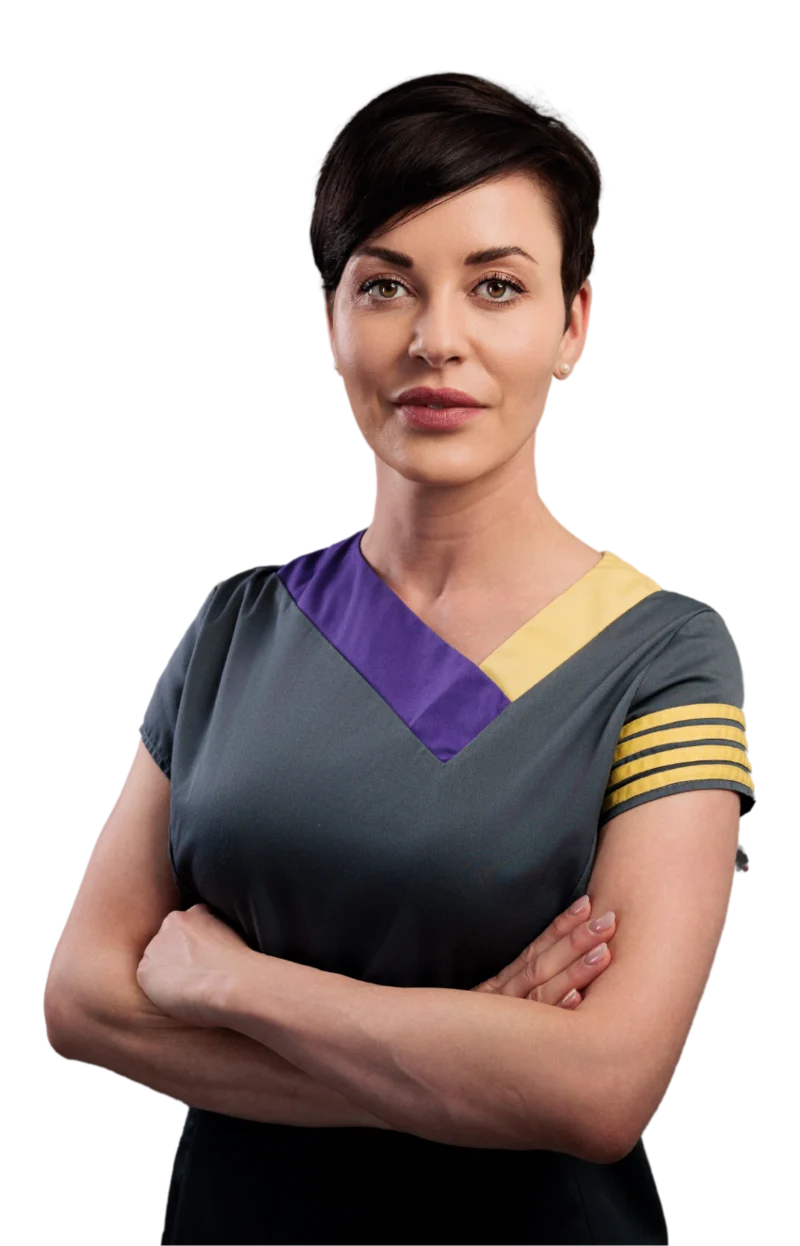
Dr MJ Rowland-Warmann
BSc BDS MSc Aes.Med. PGDip Endod. PGCert MJDF RCS (Eng)
It may be an option for mild crowding and smaller alignment changes. We assess your teeth, bite and oral health before recommending it.
Sometimes the front teeth are only part of the problem. A more complex bite may need a different orthodontic plan. Some jaw problems need surgery as well as braces. We will not squeeze your needs into the wrong treatment just because you arrived asking for it.
Poor oral hygiene and untreated tooth decay need attention first. If there are holes in your teeth or you are struggling to keep them clean, we need to deal with that before fitting braces.
Your expectations matter too. Tell us what you want to change. We will explain what is achievable, what is not and any compromises involved. If braces cannot deliver the result you expect, we will say so.
Read more about crowded and overlapping teeth, or explore our wider teeth straightening options in Liverpool.
Conventional fixed braces are an obvious alternative. They also work with brackets and wires, with a different bracket design and wire sequence. We may prefer them when we want more control over the finishing.
Fixed braces can be awkward to clean and the brackets can get in the way. If you want something less visible that you can take out for eating and cleaning, we can discuss Invisalign or Spark aligners.
Removable does not automatically mean better. The choice depends on what needs moving, the control required and how the treatment fits your life. You can read about Invisalign cost on its treatment page.
Our job is to recommend the right treatment for your teeth, not defend a brand.
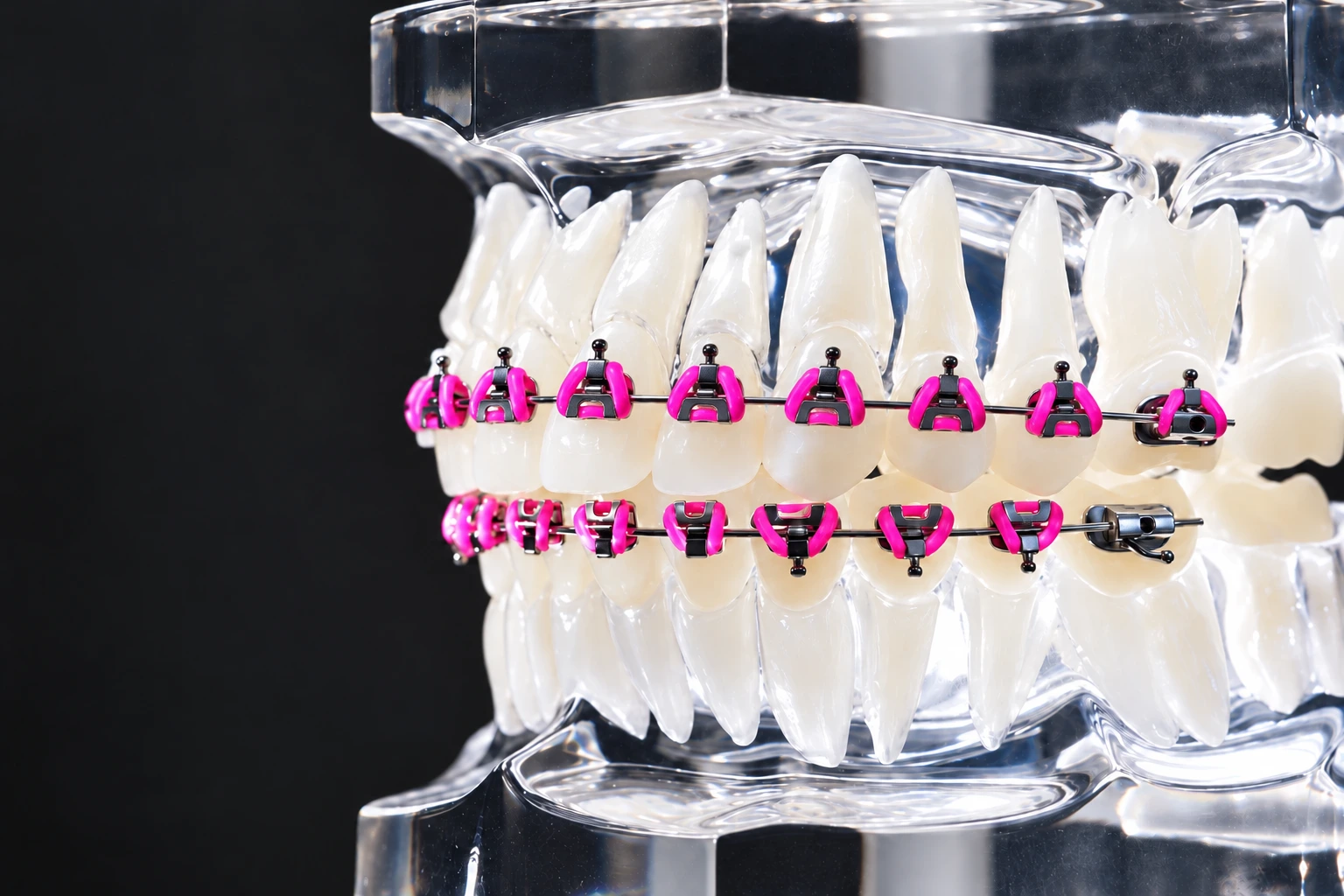
Fastbraces has brackets fixed to the front of the teeth, joined by a wire. The brackets have a triangular shape. You can see the appliance in our existing treatment photographs.
If appearance is your main concern, tell us. We can discuss less visible fixed-brace options and clear aligners as part of your assessment. The right choice needs to give you the result you want as well as an appliance you can live with.
Your price depends on the treatment your teeth need. We will assess you, explain the options and give you the cost of the agreed plan before treatment starts.
“we always include retainers and whitening in any treatment plans that we offer to patients.”
— Dr MJ Rowland-Warmann
Retainers and whitening are included in our teeth-straightening treatment plans. Your treatment-plan letter sets out what we are correcting and what is outside the agreed plan. A lower price is not a better deal if it leaves out the result you wanted.
See our current braces options and prices. For a wider view of the available treatments, compare the options in the braces price section.
If you want to spread the cost, ask us about the finance options currently available and the terms that apply. Provider information is available from Medenta Finance. We will explain the actual offer rather than ask you to rely on an old example.
The brackets hold the wire against the teeth so that controlled forces move them. Fastbraces uses triangular brackets. Conventional braces generally use brackets with four tie wings and a different wire sequence.
The bracket design is not a treatment timetable. Planning the movements, managing the bite and finishing the result matter more than the shape of the bracket.
We choose the system around your teeth and the control needed to move them. We do not recommend an appliance simply because its name sounds quicker.
Moving teeth can be uncomfortable. We are not going to tell you it never hurts.
At adjustment appointments, wires may be changed and elastics tightened. Soreness is often most noticeable the following day as your teeth respond. The pain relief you normally take for a headache may help if it is suitable for you and taken as directed. Your dentist can advise.
Cold water can offer temporary relief after an adjustment because cooling some orthodontic wires reduces the force they apply. It is a comfort measure, not a way to change your treatment.
Safety starts with choosing the right treatment and making sure your teeth and gums are ready. Keep them clean and attend your review appointments so we can check progress. If a wire is rubbing, something breaks or the discomfort worries you, contact us rather than waiting for your next appointment.
“retention is for life.”
— Dr MJ Rowland-Warmann
Yes. A retainer keeps your teeth in their new position after your braces come off. Retention is not just something you do for the first few months.
We see many people whose teeth have moved after childhood braces. They may have worn their retainer for six months, then lost it, broken it or stopped using it. Teeth continue to move over time. Lose the retention and you can lose the result, then face paying for braces again.
Follow the wear schedule your dentist gives you. If your retainer breaks or no longer fits, contact us so we can assess it and arrange a replacement. Do not leave it until your teeth have visibly moved.
Retainers and whitening are included in your treatment plan. Keeping your teeth straight matters just as much as getting them straight in the first place.
For a suitable mild case, Fastbraces is one way to achieve straight teeth with a fixed appliance. You do not have to remember to take the braces out and put them back in throughout the day.
But the benefits are not exclusive to this brand. Conventional fixed braces can also provide effective tooth movement and a well-finished result. We would rather explain the differences that matter to your case than repeat a list of marketing claims.
The brand does not decide whether you need an extraction. We assess the space available, your bite and the movements needed before explaining your options. Having triangular brackets is not a promise that you can avoid having teeth removed.
Our crowded teeth guide explains the wider condition and treatment choices.
The result depends on your starting point and the treatment objectives we agree with you. We will explain what can change, what is outside the plan and how we will judge the finished result.
See an example of a Smileworks patient’s treatment result below.
You can also view examples on the official Fastbraces® website.

Dr Eduardo Banito is Head of Orthodontics at Smileworks and a dentist with a special interest in orthodontics. He will assess your teeth and plan your treatment with you.
The clinical answers on this page are from Dr MJ Rowland-Warmann. Eduardo is the clinician you are coming to see for your braces. The advice is about choosing treatment properly, not about persuading you to buy a particular appliance.
We start with what you want to change. Eduardo assesses your teeth, bite and oral health, then explains the options and the records needed to plan your care.
You receive a treatment-plan letter. It sets out exactly what we intend to correct and what we are not treating. We use it at the start of treatment and refer back to it when checking that the objectives have been met.
Once you agree the plan, we fit your braces and see you for review and adjustment appointments. When treatment is complete, we move on to retention and the whitening included in your plan.
You should understand the result we are working towards before the first bracket goes on.
Hear from patients who have had orthodontic care at Smileworks.
You can read more on Facebook, Trustpilot and Google Reviews.
Genuine patient reviews
“Eduardo gave me the reassurance and delivered the results I wanted.”
Subhanky Raveendran · Spark aligners
“both Ana and Eduardo helped me out majorly throughout this time”
Jamie Mellor · braces
“always smiling, kind, and genuinely supportive.”
Nozha · Invisalign with Ana
“An outstanding orthodontic team”
Julian · 2026
“The best result mattered”
Carl · 2026
“His attention to detail is outstanding”
Joanne · 2026
“Eduardo was outstanding”
Lisa · 2025
“Wonderful invisalign journey”
Loon · 2026
If you are considering Fastbraces, come and talk to us. Tell Eduardo what you would like to change. You can ask about this appliance without committing yourself to it.
We will explain what suits your teeth and give you a clear plan. You can also compare our braces options before booking.
Or email reception@sexydentistry.com.
This guide brings together Smileworks’ clinical advice and questions patients ask about Fastbraces. You can read more about the practice team, including Ed Challinor.