
A fixed tooth. A smile that feels like you.
Dental Bridge
Liverpool
Durable, beautiful & great value
A dental bridge gives you a fixed tooth that stays in place when you eat, talk and smile. Whether you’re considering your first bridge or replacing an old one, JK will explain which design suits your teeth and how to make it look natural.
Worried about having healthy teeth filed down? Some bridges attach with a small bonded wing; others need supporting crowns. We’ll explain the difference before you decide.
Dental bridge £2,100Consultation with JK £90
One-year guarantee: free repair or replacement within the first year.

More on bridges
In their own words
What patients say about JK
Experiences of JK and the Smileworks team across a range of dental treatments.
“incredibly skilled”
Carl★★★★★“JK is absolutely professional”
Sylvia★★★★★“11/10, would go again.”
Jamie★★★★★“consummate professional”
Robert★★★★★“Dr JK kept me at ease”
Paul★★★★★“They even included an eclipse in the price”
Shmeon _★★★★★“patient and understanding”
294thunder★★★★★“JK explained everything … step by step”
Faye★★★★★“even a serenade from Molly!”
Tony★★★★★“best dentist ever”
Sylvia★★★★★“J.k and Savannah … simply amazing”
polly★★★★★“Ten star service!”
Joanne★★★★★“kind and patient”
Laura★★★★★“Fantastic treatment … from Dr JK and Karen”
kirsten★★★★★“a dream team”
Leah★★★★★“honest and capable”
marinatedmangoes★★★★★“Dr JK, Liv … Professional, kind and clear”
Emanuele★★★★★“the service is phenomenal”
Julianna★★★★★“simply amazing”
polly★★★★★“recommend Jihad without hesitation”
Fatma★★★★★“10/10 service ❤️”
lucy★★★★★“very caring”
Sue★★★★★“JK is simply wonderful”
294thunder★★★★★“Everybody is so helpful”
Callum★★★★★“AWSOME”
Richard★★★★★“jk is a consummate professional”
Robert★★★★★“The service was outstanding.”
sathana★★★★★“kind and welcoming”
Faye★★★★★“Thank you to JK”
Miki★★★★★“the warmest hospitality”
Kamran★★★★★“very gentle”
Fatma★★★★★“Excellent treatment … from Dr. JK and Helen”
Travis★★★★★“a wonderfully warm welcome”
Michelle★★★★★“welcoming and professional”
Luiz★★★★★“good care from Dr. Jihad Kader”
Kawinna★★★★★“nothing but top class service”
Hakim★★★★★“Very skilled”
kirsten★★★★★“Special thanks to … JK”
Steve★★★★★“fabulous service from the team”
Jonny★★★★★“excellent throughout”
Paul★★★★★“couldn’t recommend JK and Sav enough”
Paula★★★★★“Lovely ambience too.”
Enganashe★★★★★“Professional, kind”
Emanuele★★★★★“JK and Helen were fantastic”
Carl★★★★★“Such welcoming and amazing staff”
Lauren★★★★★“amazing”
Polly★★★★★“both JK & Sav … very caring”
Sue★★★★★“the wonderful receptionist Katie”
Green Box Grass Liverpool★★★★★“kind”
Nusaiba★★★★★“JK and Savannah … They were amazing”
Polly★★★★★“Jay on reception is a star”
Stephanie★★★★★“above and beyond”
Livia★★★★★“I recommend jk an Liv”
Thomas★★★★★“I felt genuinely cared for”
Naomi★★★★★“very professional”
Richard★★★★★“experts in their fields JK and Emma”
Laura★★★★★“customer service was second to none”
Chloe-Jane★★★★★“very capable”
marinatedmangoes★★★★★“Jay, Jk and Liv … really welcoming”
Luiz★★★★★“always made to feel special”
Elizabeth★★★★★
Selected five-star review excerpts. Some patients are quoted more than once. Reviewer display names are retained where a first name is not available.
Your teeth come first
Will I need my healthy teeth filed down?
Not necessarily. A Maryland bridge can use a bonded wing rather than a crown. A conventional bridge needs the supporting tooth shaped to make room for a crown, and that preparation is irreversible.
This is one of the most important conversations to have before treatment. JK is particularly cautious about preparing virgin teeth.
He will explain what each option would mean for your remaining teeth. Having an existing crown or bridge is a different starting point from having completely untouched teeth beside a gap.
When there is a more conservative or minimalistic option, that's always the preference.
The useful detail, when you want it
Which bridge is right for you?
The design matters because it determines which teeth carry the load and how much preparation they need.
How does a dental bridge work?
A bridge fills a gap using a replacement tooth attached to neighbouring teeth. You might call it a tooth bridge, bridgework or a fixed false tooth. Dentists also use the term fixed partial dentures: unlike a removable denture, a bridge stays in your mouth.
The replacement tooth is called the pontic. The natural tooth supporting it is the abutment tooth. The part that attaches the bridge to that tooth is the retainer, which can be a crown or a bonded wing.
A single tooth bridge replaces one tooth, but that does not necessarily make it a one-unit bridge. A conventional three-unit bridge commonly consists of two supporting crowns and one replacement tooth. The units count all three parts, not three missing teeth.
Conventional bridges: supported by dental crowns
A conventional bridge uses dental crowns fitted over prepared supporting teeth. It may make sense where those teeth already have crowns or substantial restorations.
JK’s clearest example is replacing an existing bridge when the teeth underneath are still sound. He first needs to establish whether those teeth can support the replacement. An old bridge’s appearance alone cannot tell us that.
Preparing a tooth for a crown removes tooth tissue. There is a risk of sensitivity or damage to the pulp, the living tissue inside the tooth, which may later require root canal treatment. We’ll discuss that trade-off before you agree to treatment.
Maryland bridges: a bonded wing behind a tooth
A Maryland bridge is also called an adhesive bridge, a resin-bonded bridge or a resin-retained bridge. You may hear it described as a “sticky bridge”. Its replacement tooth is held by a wing bonded to a neighbouring tooth with adhesive resin cement.
This usually needs less preparation than a conventional bridge. Depending on the design, there may be little or no drilling. It still needs a suitable supporting tooth and enough room for the wing when you bite together.
JK highlights this option for younger patients and some people waiting for further treatment. That might mean finishing orthodontic treatment, allowing healing or waiting until an implant becomes appropriate. Affordability can also be part of the decision.
He also discusses zirconia wings. Zirconia is a dental ceramic used in some modern adhesive bridge designs. It is an option to assess, rather than a reason to assume every bridge can use the same material or preparation.
Cantilever bridges: supported from one side
A cantilever bridge is supported from one side of the gap. “Cantilever” describes the support arrangement, rather than a particular material. A single-wing Maryland bridge can use this design.
It does not follow that two supporting teeth are always better than one. The appropriate design depends on the teeth, the gap and how biting forces act on the restoration.
What does JK check before recommending a bridge?
Your consultation starts with what you want to change. Perhaps you want a front tooth to look natural, an old bridge to feel secure again, or a clear answer about whether treatment is worth doing.
The assessment then looks at the foundations for that result:
- Supporting teeth: their condition, existing fillings and crowns, and whether there is decay, a fracture or movement.
- Gums and bone support: whether gum disease has affected the teeth that would hold the bridge.
- Your bite: how your upper and lower teeth meet, known as occlusion, and the space available for the restoration.
- The gap: its position and size, and whether the proposed bridge can be supported appropriately.
- Your priorities: appearance, comfort, budget, anxiety and how you feel about the alternatives.
JK identifies poor bridge design and compromised supporting teeth as two major reasons a conventional bridge may not last. That is why choosing the bridge starts with assessing your mouth.
If a supporting tooth needs a white tooth filling or other treatment first, we’ll explain this separately.
A fixed replacement, with a design that suits your teeth
A bridge stays in place when you eat, talk and smile. A Maryland design may preserve more of the supporting tooth; a conventional bridge can be relevant when neighbouring teeth already have crowns or substantial restorations.
Preparation for a conventional bridge is irreversible. Supporting teeth can develop sensitivity, decay or gum problems, and may later need root canal treatment. An adhesive bridge can debond. A chipped restoration, a change in your bite or a problem underneath may need attention.
No design is right for everyone. JK will explain the benefits, limitations and alternatives before you decide.
Clear prices. Time to decide.
How much does a dental bridge cost?
A dental bridge at Smileworks costs £2,100. Your consultation with JK costs £90.
You’ll receive a treatment plan explaining the recommended bridge and the cost before treatment starts. The bridge price is £2,100; if your teeth or gums need other treatment first, we’ll explain that work and its cost separately.
Ask us about dental finance if you would like to discuss spreading the cost. Our treatment coordinator can explain the available arrangements and eligibility.
Patient finance is provided through Medenta Finance, subject to affordability, age and status; minimum spend applies. See our dental prices.
Dental bridge
£2,100Your consultation with JK £90
One-year guarantee
If your bridge needs repair or replacement within the first year, JK will do this free of charge.
Regular check-ups and hygiene appointments also matter for keeping your bridge and the teeth underneath it healthy.
Made for your smile
Will a front tooth bridge look natural?
A natural-looking front tooth bridge needs more than the right shade of white. Its shape and proportions must sit comfortably alongside your own teeth.
JK describes the result as a collaboration between dentist and dental technician. He sends photographs and a detailed prescription so the technician understands the appearance he is aiming for. The technician adds their own judgement when making the restoration.
“They need to prescribe to the technician using pictures and descriptions, how they want the tooth looking.”— JK

Materials, colour and the final fit
Dental porcelain can reproduce some of the translucency of natural enamel. Bridges may use ceramic, metal-ceramic or metal frameworks; some existing bridges contain gold alloys. The choice depends on the design and its position in your mouth.
A zirconia bridge is not automatically the right answer for everyone. We’ll explain the proposed material and check the appearance and fit before final cementation.
Before, during & afterwards
What happens when my bridge is fitted?
Will I be left with a gap during treatment?
For planned extractions, JK takes measurements and scans beforehand so a temporary replacement can be ready for the day the tooth comes out.
“We take measurements and scans before any teeth are taken out.”— JK
There are different ways to provide a temporary tooth. JK will explain which suits your treatment, whether it will be fixed or removable, and what to expect while your mouth heals or the laboratory makes your bridge.
Tell us if being seen with a gap is your biggest worry. We want that discussed while planning treatment.
1. Assessment and planning
JK examines your teeth and explains the suitable designs. X-rays may be needed to assess the supporting teeth. You’ll discuss appearance, preparation, temporary teeth and the treatment plan before anything starts.
2. Preparation and impressions
For a conventional bridge, the supporting teeth are shaped for crowns using local anaesthetic. An adhesive bridge requires a different, usually more conservative approach. Impressions or digital scans record the teeth for the laboratory, together with the information needed to make your restoration.
3. Try-in and fitting
The bridge is tried in so its fit, appearance and bite can be checked. Once it is ready, it is secured with the cement or bonding system appropriate to its design. Adjustments or an additional appointment may be needed before final fitting.
4. Looking after the result
We’ll explain how to clean around the supporting teeth and underneath the bridge. Your appointment schedule depends on the design, any preliminary treatment and the laboratory work. JK will explain the expected visits at your consultation.
How long will my bridge last?
A well-maintained bridge can last for many years. Some conventional bridges last beyond ten years, but no single lifespan applies to every design or patient.
JK’s emphasis is on choosing the right design and sound supporting teeth. A strong restoration cannot compensate for a tooth that is already failing underneath it.
Modern adhesive bridges can also be a longer-term option. Research on carefully selected single-retainer zirconia bridges replacing front teeth has reported high survival at ten years. That does not mean every Maryland bridge will perform the same way, or that it has to be a temporary treatment.
Your bridge may need attention because of debonding, a chipped restoration or a problem with a supporting tooth. “Still in place” and “never needed a repair” are different measures of success.
My bridge keeps coming loose. Can it be repaired?
Sometimes, but the cause needs checking before it is simply stuck back in.
With a conventional bridge, JK is concerned about what is happening underneath. A moving supporting tooth, gum disease, loss of bone support or a fracture can compromise the whole bridge. If a supporting tooth cannot be saved, replacing the bridge alone will not solve the problem.
If the cement has failed and the bridge and supporting teeth remain suitable, recementation may be possible.
With a Maryland bridge, a wing can debond without the supporting tooth being lost. The bridge may be suitable for cleaning and rebonding after assessment. Repeated detachment still needs investigation.
If your bridge fell out, keep it and contact us so we can assess it. Let us know about pain, swelling or a bite that suddenly feels different when you book.
Clean underneath, as well as around it
Caring for your bridge includes cleaning under the pontic as well as brushing the visible surfaces. Your hygienist can show you how to thread floss underneath and which interdental brushes suit the spaces. Keep up regular check-ups and hygiene visits.
The bridge material does not develop tooth decay, but the supporting natural teeth can. Plaque can collect around the margins where the restoration meets the tooth. Cleaning and regular reviews help protect those areas.
A choice that fits your circumstances
Why choose a bridge rather than an implant?
JK considers a replacement bridge particularly relevant when you already have one and its supporting teeth remain sound. A bridge can also suit some people who do not want surgery or whose medical circumstances affect implant treatment.
A Maryland bridge may be an option for a younger patient or someone waiting for other treatment. Cost and personal preference also matter.
When the neighbouring teeth are completely healthy, JK strongly favours discussing options that preserve them. Dental implants are independent of those teeth, while an adhesive bridge may offer a conservative tooth-supported approach. He’ll explain the differences without asking you to choose before your mouth has been assessed.
For the implant procedure itself, visit our dental implants page. This page covers bridges supported by natural teeth; implant-supported bridges have a different foundation and treatment plan.
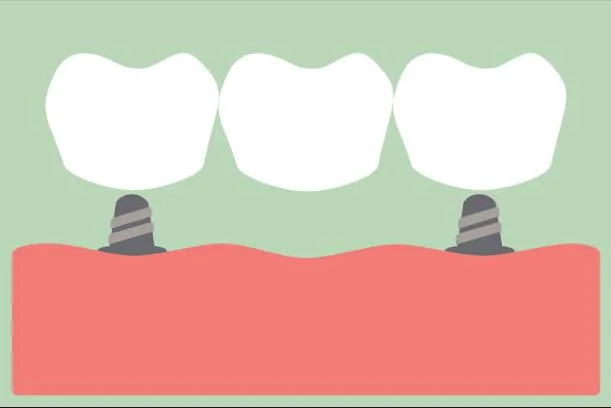
Implant-supported bridges: illustration & videos
These bridges attach to dental implants rather than natural teeth. Their assessment, foundation and treatment plan are different.


We’ll take it at your pace
What if I’m nervous about treatment?
Tell JK what worries you, including anything that has gone badly before. He explains what he is doing and why, and wants you to understand the plan before treatment begins.
“All the nurses we have are trained to help with nervous and anxious patients.”— JK
The team can offer practical reassurance, including stress balls and calming music. Where appropriate, JK can discuss oral sedation or intravenous conscious sedation. Conscious sedation helps you relax while remaining conscious; you may remember little of the appointment. Suitability is assessed individually.
Your consultation is time to ask questions and consider your choices. You do not need to arrive knowing which bridge you want.
Dr Jihad Kader · JK
Your consultation with JK: £90
We start with you: what is bothering you, what you hope to change and what you want to spend.
JK assesses your teeth and explains the findings in plain language. He can use photographs, scans or relevant previous cases to help you understand the options. You’ll discuss the proposed bridge, any preparation, likely appointments, risks and costs.
You’ll leave with a clear treatment plan and time to decide. If you want to discuss affordability, our treatment coordinator can help you understand the available payment options.
A few more things you might be wondering
Dental bridge questions
Can I get a bridge for one front tooth?
Yes, a bridge can replace one front tooth. Whether a conventional or Maryland design is appropriate depends on the supporting teeth and your bite. JK will also discuss how the replacement will look alongside your natural teeth.
Can a bridge replace several teeth?
Some multiple unit bridges replace more than one tooth, but a longer gap is not simply a reason to add more units. The available support matters. JK will explain whether a tooth-supported bridge is appropriate or another treatment should be considered.
Is a Maryland bridge temporary or permanent?
It can be used as an interim treatment or a longer-term restoration. JK may consider it while a younger patient waits for an implant, but suitable adhesive bridges can also remain in service for years. ‘Permanent’ does not mean guaranteed to last forever.
Will having a bridge fitted hurt?
Local anaesthetic is used where needed for tooth preparation. Tell JK about any anxiety so comfort can be planned beforehand. Some sensitivity can follow conventional bridge preparation; contact us if discomfort persists or the bridge is painful.
Can I eat normally with a bridge?
A bridge is intended to restore comfortable chewing. Follow the advice given after fitting, particularly for temporary restorations. If your new bridge feels too high when you bite or chewing hurts, arrange a review.
How do I clean underneath a bridge?
Caring for your bridge includes cleaning under the pontic as well as brushing the visible surfaces. Your hygienist can show you how to thread floss underneath and which interdental brushes suit the spaces. Keep up regular check-ups and hygiene visits.
Can the tooth under a bridge still decay?
Yes. The bridge material does not develop tooth decay, but the supporting natural teeth can. Plaque can collect around the margins where the restoration meets the tooth. Cleaning and regular reviews help protect those areas.
Can a bridge be fitted if I have gum disease?
Active gum disease needs assessment and management before relying on affected teeth to support a bridge. JK checks whether the teeth and their bone support provide a suitable foundation. A new bridge cannot treat the disease underneath it.
Do I have to replace a gap?
Not always. The decision depends on appearance, eating, the position of the gap and the rest of your mouth. Alternatives can include leaving the space, removable dentures or, in selected cases, orthodontic treatment to close it. JK will explain the relevant options.
Can I have an implant later if I choose a bridge now?
Possibly, but future implant suitability is not guaranteed. A tooth-supported bridge does not replace the tooth root, and the bone and gums in the gap can change. Tell JK if a bridge is part of a longer-term plan so he can take that into account.
Does the £90 consultation commit me to treatment?
No. It is an opportunity to understand your teeth, the available options and the cost. You can ask questions, take time to think and decide whether to proceed.
Your next step
Find out which bridge is right for you
Bring your questions, whether they are about an old bridge, protecting healthy teeth or getting the appearance right. JK will help you understand what is possible and what it will cost.
Dental bridge £2,100 · Consultation £90 · One-year guarantee
Smileworks Liverpool, 1a Kenyons Steps, One Park West, Liverpool L1 3DF.